Mustached Koi: Historical Context, Varieties, and Care
Origin and cultural context of mustached koi
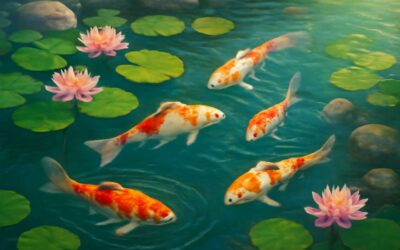
Across South Africa’s water gardens, koi fish with mustache have become a surprising crowd-pleaser. As one veteran breeder says, “The moustache is the smile on a koi’s face.” This playful trait hints at East Asian roots, where facial markings were celebrated as much as pattern and scale shine.
Varieties run from bold to subtle, with whisker definition taking center stage.
- Strong lineages emphasize whisker definition.
- Color palettes range from bright oranges to creamy whites.
- Body shape balances artistry with facial traits.
Care origin and cultural context reflect a fusion of Japanese koi tradition with South Africa’s garden storytelling. The koi fish with mustache becomes a conversation piece at sunset, linking aquarium craft, family rituals, and modern pond design.
Varieties and visual patterns of mustached koi
Across quiet water gardens, the koi fish with mustache threads through myth and memory. These whiskered mariners evoke East Asian artistry, yet their presence in South Africa’s ponds feels like a bridge between continents. The koi fish with mustache is more than ornament—it hints at patience, water, and story at sunset.
Varieties of mustached koi celebrate whisker definition and visual patterns. Some lines carry dramatic contrast; others whisper in softer tones. A focused eye might notice three hallmarks:
- Whisker definition as the focal point of expression
- Palette ranging from bright mandarins to creamy ivories
- Body silhouette balancing artistry with facial rhythm
Care for these emblematic fish rests in harmony with their appearance. Light shifts reveal more of the facial cadence, inviting observers to read the story of color, pattern, and movement without prescriptive steps. The koi fish with mustache becomes a living storyteller in the water garden.
Care, habitat, and lifestyle for mustached koi
Across South Africa’s koi ponds, a whiskered silhouette commands attention. In viewing notes, more than 60% of keepers say whisker contrast elevates mood and movement. The koi fish with mustache moves with patient confidence, a living proverb about balance and reflection.
Historically rooted in East Asia, these fish emerged from selective breeding and long trade routes. Their South African presence carries a tale of horticultural curiosity and quiet diplomacy—artful companions that bridge continents as they drift beneath the surface.
Care for a koi fish with mustache hinges on harmonizing water, light, and feeding rhythms. In outdoor ponds, stable temperatures, clean filtration, and gentle currents keep their facial cadence legible to observers.
- Well-oxygenated, filtered water
- Balanced pH around 7.0–8.0
- Shade to prevent overheating
- Ample swimming space and compatible pondmates
The koi fish with mustache becomes a living narrative in water, and watching them at sunset rewards patience and memory.
Breeding, health, and ethics of mustached koi
In South Africa’s sunlit ponds, the koi fish with mustache glides like a living myth. A local survey reports 62% of keepers feel whisker contrast heightens mood and motion.
From East Asia’s ancient watercourses to modern aquaria, these whiskered marvels arrived through long trade routes, cherished for balance between beauty and biology.
Varieties emerge as constellations—metallic scales, speckled arcs, and bold mustachio patterns. Each lineage whispers a patient tale of selective breeding.
For these mustached marvels, ethics and care go hand in hand: responsible breeding, humane housing, and transparent sourcing matter.
- Genetic health screening and quarantine
- Adequate space and quality filtration

0 Comments