Popular koi varieties that influence price
Last year, a single koi sold for over R1 million at a Johannesburg auction, a punchy reminder that what koi fish are expensive hinges on more than size. In South Africa, price is driven by lineage, color fidelity, and pattern symmetry as much as by brag-worthy girth. When you ask what koi fish are expensive, you’re not chasing vanity—you’re chasing pedigree, and maybe a good story for the tank lights.
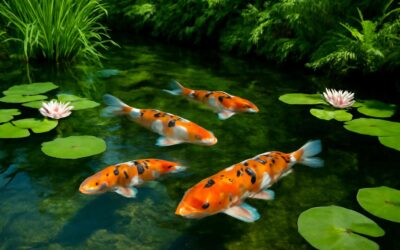
Popular koi varieties that influence price include:
- Kohaku — red-and-white elegance prized for clean, balanced patterns
- Sanke (Taisho Sanke) — tri-color mastery with red, white, and black
- Showa — bold contrast with black interlacing across the body
- Tancho — a solitary red spot on the head; scarcity drives prestige
- Ogon — metallic solids, with rare hues commanding premium
These listings reflect lineage, artistry in pattern, and the ever-present appeal of rarity.
Genetics, lineage, and breeder influence
In a Johannesburg auction last year, a single koi topped R1 million—proof that what koi fish are expensive hinges on more than size. Genetics, lineage, and the patient art of a breeder can elevate a fish from beauty to legend. If you ask what koi fish are expensive, you’re tracing the patience of generations.
Genetics, lineage, and breeder influence drive value far beyond size. A fish’s family tree carries markers for colour stability, growth, and resilience against disease, all watched and tested over years.
- Documented pedigrees and bloodlines
- Hatchery conditions and early rearing discipline
- Show-ring performance and breeder reputation
These elements translate into reliability and appeal in a market hungry for consistency. South African buyers prize rarity and proven lineage, savoring stories behind the fish as much as the fish itself. That’s why, when considering what koi fish are expensive, buyers chase not just color but a compelling pedigree.
Market dynamics and scarcity factors
Last season, a single koi topped R1 million at a Johannesburg auction—a blunt reminder that what koi fish are expensive hinges on scarcity more than size. I watched the room lean forward, breath held, as collectors weighed lineage by whisper and patience by breath! In that moment, the pond’s future seemed carved in dark, shimmering scales and the slow, patient work of countless breeders.
Scarcity factors shaping the price include:
- Limited import windows and quarantine protocols
- Few breeders producing prize-quality stock each season
- Extended maturation and conditioning timelines
- Demand for proven show-ring performance and stable color
- Rising logistics and biosecurity costs in transit
That is the heartbeat of what koi fish are expensive: rarity tempered by care. The market remains patient, and the pond keeps its secrets.
Ownership considerations for pricey koi
Owning pricey koi isn’t just about the sticker price; it’s a long-running commitment. What koi fish are expensive becomes clearer once you tally the ongoing costs—water quality, filtration, and regular veterinary checks that keep prized fish show-ready. I’ve seen buyers underestimate ongoing costs. Indeed, the true investment is in care.
Key ownership considerations include space, security, and biosecurity.
- Adequate pond volume and protective fencing
- Ongoing filtration, aeration, and electricity costs
- Quarantine protocols and veterinary care
- Insurance and risk management for disease or loss
In South Africa, customarily the hobby also carries regulatory and import-related costs; plan for feed, medications, and annual show readiness. The bottom line: ownership is a long-run investment in care.
Not just the price tag, this is what koi fish are expensive when you factor in care.

0 Comments