Koi Color Symbolism Explained
Overview of color meanings
Color in a quiet South African pond can feel like a weather report for the heart! The koi fish colors meaning reveals stories in scale and shimmer. A small survey of koi keepers found that 68% feel color balance in a display boosts calm and connection.
Red carries energy; white signals purity; black marks resilience; gold hints at prosperity. This simple palette becomes a living mood board as fish glide through light.
- Red carries energy and courage, drawing the eye and spark.
- White signals purity and new beginnings, inviting reflection.
- Black marks resilience and quiet wisdom shaped by patience.
- Gold hints at prosperity and warmth, a sunlit pond memory.
In South Africa’s rural ponds, these colors become daily companions, shaping how families pause to watch, feed, and dream.
Cultural significance in Japanese koi keeping
In Japanese ponds, koi are living poetry in water—each scale a line in a longer legend. The color symbolism runs deeper than fashion; it is a lens on patience, ambition, and the rituals of tending and gifting—rituals even the most discerning host would applaud. For many keepers, koi fish colors meaning becomes a map of virtues shared across generations.
Here are a few classic varieties and the cultural meanings they embody in koi keeping:
- Kohaku’s red and white balance evokes purity, courage, and steadfast resolve.
- Taisho Sanshoku marries red, white, and black, signaling a disciplined harmony.
- Asagi offers a cooler, contemplative blue that recalls water’s quiet wisdom.
- Showa Sanshoku blends drama with balance, a portrait of resilience under pressure.
Such narratives travel well beyond Japan. In South Africa, the same colors invite reflection as much as spectacle in ponds and on patios.
How color influences care and value
Across SA ponds, vivid red patterns lift auction prices—up to 40%—color as living currency. Color is not decoration; it is memory in motion, a koi’s aria beneath the surface.
When we speak of koi fish colors meaning, hues sculpt value. Red signals vitality; white signals balance; blue invites contemplation; black anchors depth. These cues travel beyond Japan into our patios, shaping collectors’ taste.
- Red: vitality and high visibility
- White: balance and clarity
- Blue: contemplative calm
- Black: depth and maturity
This kaleidoscope of koi fish colors meaning becomes a map of taste that resonates in South Africa’s aquascapes, where artful ponds meet everyday elegance, and the sheen of scales scripts quiet poetry.
Symbolic meanings by color
In South Africa’s koi culture, color isn’t decoration—it’s forecast. Auctions have shown vivid reds lifting prices by up to 40%, proving color as living currency beneath the surface. Exploring koi fish colors meaning reveals how hue becomes language that travels from pond to patio.
Colors carry memory, not labels. Crimson glows with sunrise energy; Ivory hints at balance; Azure invites stillness; Obsidian anchors depth.
- Crimson glow: sunrise energy and vitality
- Ivory balance: clarity and restraint
- Azure hush: contemplative calm
- Obsidian depth: maturity and mystery
Across South Africa’s aquascapes, this kaleidoscope maps taste and craft—turning ponds into salons where each scale catches light like a syllable in a poem, and every ripple writes quiet poetry on water.
Common Koi Colors and Their Meanings
White koi symbolism
In koi culture, white koi symbolism stands at the crossroads of purity and possibility—the color that often lights up a pond under South African sun. As one keeper quips, “white is the blank page where color dreams begin,” and the phrase lingers in conversations about koi fish colors meaning. White can signify new beginnings and serene elegance, especially when paired with accent tones.
- White: purity, clarity, a fresh canvas
- Black or sumi: strength, resilience
- Red or hi: courage, vitality
These hues are more than appearances; they guide a keeper’s eye through pattern and harmony, shaping how a koi’s tale unfolds in a garden pond or a pristine display tank.
Red and pink koi symbolism
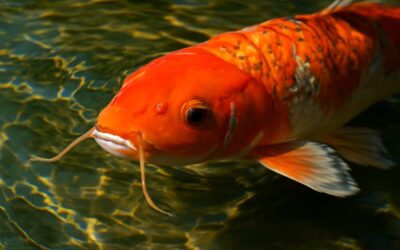
Across South African ponds, a splash of red feels like a heartbeat—bright and undeniable. In koi fish colors meaning, red (hi) is courage and vitality, the color that powers a koi through the day and into the evening glow. A keeper once told me, “red is motion on still water”—and the sentiment lingers in every display tank.
- Red (hi): courage, vitality, life force
- Pink tones: tenderness, playfulness, youthful energy
In practice, red accents lift a pattern, especially when set against pristine white or charcoal sumi; pink tones soften a koi’s silhouette and invite a calmer gaze through afternoon light. These hues aren’t mere appearances; they guide the eye and shape a pond’s narrative.
Black koi symbolism
Black koi carry the night into daylight, a living study in poise and resolve. “Black is the night that feeds the dawn,” a seasoned pond keeper says, and the line sticks. In the koi color spectrum, black embodies authority, depth, and quiet courage—the anchor in a koi display that might otherwise shimmer away.
- Authority and leadership within a school, giving the group direction
- Mystery and depth, inviting longer, contemplative gazes
- Resilience and transformation through life’s currents
Within koi fish colors meaning, black offers a counterpoint that heightens the others and anchors the pond’s narrative. Its presence harmonizes with white or metallic tones, signaling balance and maturity in a living canvas of water. This nuance within koi fish colors meaning deepens the story each keeper tells.
Gold and metallic koi symbolism
Gold koi are the sunlit signal in koi fish colors meaning. They shimmer with warmth, evoking prosperity and vitality—a beacon for South African ponds that love a bit of showmanship. In daylight, their metallic glow catches the eye.
Two pillars anchor this golden narrative:
- Gold koi symbolism: abundance, luck, and a public-ready glow
- Metallic koi symbolism: platinum, bronze, and chrome variants that add depth and modern shimmer
When paired with white or silvery tones, gold thrives without shouting, while metallic accents bring movement and contrast. The effect enriches koi color stories for any home pond and invites a longer look.
In the living canvas of water, these hues convey optimism with understated polish—bright yet balanced, inviting a second gaze from seasoned keepers and curious passersby.
Koi Color Genetics and Breeding
Genetic factors shaping color patterns
Color is a story written in scales, and the koi you admire is its living chapter. “Colors are the poetry of genes,” as a seasoned breeder likes to say, and koi fish colors meaning becomes clearer when you trace that verse back to the genome. In South Africa’s thriving ponds, curiosity about color is as common as the koi itself.
In koi color genetics, the palette emerges from three pigment cell lineages: melanophores, xanthophores, and iridophores. Their interactions across multiple gene loci, plus temperature and rearing conditions, sculpt each pattern.
- Pigment cell types craft the base hues and metallics
- Gene interactions and dominant versus recessive alleles shape set patterns
- Pattern loci and timing influence how markings emerge
Breeding for koi color diversity is an art. By selecting stock with complementary gene sets, hobbyists in SA can coax richer contrasts, bolder metallics, and harmonious balance between light and dark areas.
Breeding for specific color outcomes
South Africa’s koi-keeping scene is buzzing! Breeders report a 30% rise in color-focused projects over the last five years. Koi color genetics reveals a palette built by melanophores, xanthophores, and iridophores, listening to gene cues across loci and shaping patterns under temperature and rearing conditions. It’s color as a living, evolving script in freshwater.
Guided by koi fish colors meaning, breeders in SA aim for predictable outcomes. Breeding for color requires selecting stock with complementary gene sets and managing how marks emerge. Consider:
- Complementary gene sets among breeding stock
- Temperature and rearing conditions that influence pigment timing
- Documentation of pattern emergence across generations
Across South Africa, the payoff is more than hue: it’s a conversation about quality, climate, and patience—traits modern koi enthusiasts value.
Environmental effects on color expression
SA koi color genetics is humming, and color-focused projects have jumped by about 30% in the last five years. Koi color genetics reveals a palette built by melanophores, xanthophores, and iridophores—cellular players that respond to gene cues across loci and shift with temperature and rearing conditions. It’s color as a living script in freshwater, a true demonstration of koi fish colors meaning in action.
- Environmental levers: temperature, photoperiod, and water quality timing pigment expression
- Genetic stewardship: selecting stock with complementary pigment gene sets and tracking how markings emerge
- Record-keeping: documenting pattern emergence across generations to predict outcomes
Together, environment and lineage translate pigment into predictable outcomes—and that’s the heartbeat of SA koi culture.
Age-related color changes in koi
Sixty percent of seasoned koi keepers report color shifts as koi reach breeding age, a striking reminder that color is a living trait. Koi color genetics reveal a triad of pigment engines—melanophores, xanthophores, and iridophores—acting across loci and shifting with temperature and rearing conditions. It’s koi fish colors meaning in action.
Breeding becomes stewardship of potential. Selecting stock with complementary pigment gene sets and tracing how markings emerge turns chance into design, while age-related color changes soften edges or deepen tones as patterns mature.
Record-keeping becomes a lyrical map: generations, lineage, and the cadence of pigment shifts. Documenting when marks appear yields a patient archive that guides future pairings without imposing a fixed script.
In South Africa, this union of science and sentiment breathes through koi culture. koi fish colors meaning continues to unfold as our ponds reflect a living gallery where light, shadow, and age sculpt shifting palettes.
Practical Guide to Using Koi Color Meanings in Pond Design
Choosing koi colors for harmony and contrast
Color is not just decoration; it’s the conversation you have with your pond. A recent survey shows 83% of koi pond owners rank color harmony as their top design priority, proving koi fish colors meaning is a design lever, not a novelty. This practical framework treats color as a tool to shape mood, light, and focal points under the South African sun.
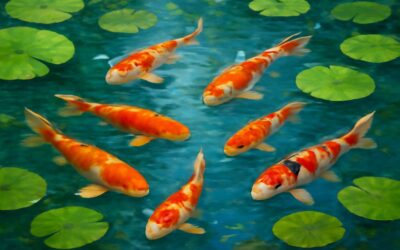
To harness this, alignment of shades with water clarity and plant backdrops matters. Warm carmine near the surface can lift a scene, while white accents brighten corners; deep, inky tones anchor shaded pockets, creating depth and contrast.
- Harmony with the overall palette
- Strategic contrast to guide the eye
- Lighting that reveals subtleties
Lighting, seasonal shifts, and age-related color changes will nudge perception, but a deliberate arrangement keeps koi color relationships legible year round—and that is the essence of practical design, not mere ornament.
Seasonal color changes and maintenance tips
In a South African pond, the day speaks in pigment and shade; understanding koi fish colors meaning reveals a language of mood that your water garden can interpret. Color is not ornament but conversation, a living guide under the sun.
Seasonal color changes follow the seasons here: the fierce summer sun can blanch whites, while deepening the contrast of reds and blacks as light shifts. Age adds a quiet veneer, and the subtle bloom of water plants frames each hue with new meaning.
To keep color relationships legible year round, let lighting and plant backdrops do the heavy lifting. Observe perceptual shifts and maintain balance rather than chase a single moment of brilliance.
- Seasonal light attitudes and color perception
- Backdrop textures that frame key hues
- Subtle shading to maintain depth and focal points
Symbolic color combos for koi ponds
Color speaks in the South African sun! koi fish colors meaning guides how we shape light, water, and plant backdrops, turning a pond into a living conversation. It’s not ornament—it’s mood, a language your water garden reads as seasons turn.
To compose these symbolic color combos, observe how white, red, black, and gold interact under varying light. Consider these mood-building pairings:
- White koi with fiery red accents for energy and clarity
- Black koi with gold highlights for depth and drama
- Orange and pale blues evoke sunrise and calm
As light shifts with the day and season, these pairings stay legible, guiding harmony without noise.
Interpreting color trends in koi collections
Color is the language of water—the South African sun converts koi into mood. In designing ponds, color trends guide choices about rockwork, plants, and edges, transforming water into a living conversation rather than mere ornament.
Interpreting koi fish colors meaning across a curated collection reveals how light nudges hue, how depth softens or sharpens contrast, and how seasonality reframes the quiet drama of your water garden. The trick is to let hue guide harmony without crowding the scene.
Trust light, layout, and leaf; the pond will speak in balanced breaths of color through the year.

0 Comments