Backyard Koi Pond Design and Setup
Assessing space and permissions for a backyard koi pond
A sunlit corner, a whisper of water, and a koi’s glint—the landscape shifts when imagination meets water design. In South Africa’s warm pockets, your garden becomes a living stage for shade, sparkle, and movement. Water features carry character; a well-placed pond invites birds, bees, and a calm evening into your outdoor room. “Water is the garden’s memory,” a Cape Town designer loves to say, and it’s true—the right shape orients shade, sound, and subtle movement.
Assessing space and permissions for a backyard koi pond is the first design decision. Size, slope, and proximity to power and boundaries shape every choice, and even small yards deserve careful planning.
- Local permits and setback rules
- Drainage, runoff, and proximity to stormwater systems
- Utilities, access for maintenance, and structural safety
Choosing the right pond shape and size for your yard
Shape and size are the first whispers your yard offers to a backyard koi pond. In South Africa’s sunlit corners, the pond becomes a dark mirror for day and night. I listen for the water’s breath as I sketch the plan, and the right form directs shade, air, and the koi’s shimmer, shaping your outdoor room without a command. A freeform pool curls like a tide; a square pool speaks of order, and both invite birds and movement to linger at the water’s edge.
The layout is a long-term design, not a rush of aesthetics. These choices shape resilience and beauty:
- Shape: freeform, geometric, or stepped
- Depth: from shallow margins to deeper sanctuary for koi
- Access and edges: gentle margins for maintenance and wildlife balance
With a confident outline, the garden settles into its weather and rhythm; the pond becomes a living compass toward balance and quiet spectacle.
Sourcing materials: liners, pumps, and lighting
Every backyard koi pond begins with humble innards, and in SA the right guts keep the shimmer steady through heat and rain. A surprising 25% of setups falter in the first summer when liners and pumps are undersized. Sourcing materials smartly is design itself—durable components that work as hard as you do.
Think long-term: liners that resist UV and weather, a pump sized to the pond volume, and lighting that stays cool after dark. The essentials include:
- liners
- pumps
- lighting
In South Africa, choose local suppliers with robust warranties and swift service, because a well-sourced setup keeps the shimmering water sparkling through seasons without drama.
DIY vs professional installation: pros and cons
A backyard koi pond is a quiet expedition where patience pays dividends. In South Africa, the choice between DIY and professional installation can tilt the balance between a shimmering retreat and a costly misstep when the first summer pressure hits. A careful hand at the helm keeps water serene and koi unharmed, turning your garden into a living postcard.
Here are the trade-offs to weigh before you pick your path:
- DIY installation can save money and offer hands-on satisfaction.
- DIY requires time, effort, and a willingness to learn; mistakes can cost more later.
- Professional installation delivers precise setup, safety, and reliable aftercare.
- Professional service costs more upfront but reduces risk and scheduling headaches.
Let the backyard koi pond become your sanctuary, whether you DIY or bring in the professionals.
Koi Pond Filtration, Water Quality, and Safety
Mechanical, biological, and UV filtration explained
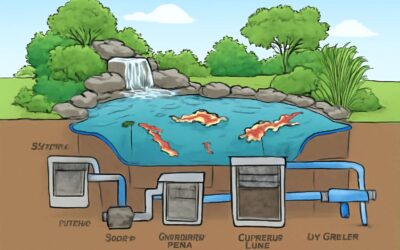
Running a backyard koi pond is a study in restraint: water that looks calm often hides a bustling filtration orchestra. Mechanical, biological, and UV filtration perform in chorus to keep the water crystal clear and the koi dignified as ever.
- Mechanical filtration traps debris with filter media and sponges, boosting clarity.
- Biological filtration hosts beneficial bacteria on media that transform ammonia into nitrite.
- UV filtration uses ultraviolet light to curb algae and keep water bright.
Water quality in South Africa’s climate swings with the seasons; monitor pH, ammonia, nitrite, and nitrates for a backyard koi pond. A brisk turnover and dechlorination keep the koi vibrant and the ecosystem balanced, even during scorching afternoons.
Safety is the gentler art of preventing drama: secure lids, weatherproof electrical fittings, and a non-slip deck. Respect for UV bulbs and pumps, with routine checks, averts shocks, leaks, and slippery misadventures.
Maintaining pH, ammonia, and nitrate levels
In the heat of a South African summer, a backyard koi pond can flirt with serenity—until pH swings and algae crash the party. Filtration, water quality, and safety aren’t optional; they’re the trio that keeps koi dignified and water crystal clear. Maintaining stable pH, ammonia, and nitrate levels is the quiet art behind the splashy spectacle.
To stay on the right side of calm, keep these metrics in check:
- pH balance
- ammonia levels
- nitrate levels
Safety is the gentler art of preventing drama: secure lids, weatherproof electrical fittings, and a non-slip deck. Respect for UV bulbs and pumps, with routine checks, averts shocks, leaks, and slips in your space, even on scorching afternoons.
Cold weather and seasonal water management
Calm water is the loudest statement, especially in South Africa’s blazing summers. A backyard koi pond can look serene one moment and murky the next if filtration, water quality, and safety aren’t aligned. These three elements work in concert, quietly delivering clarity, oxygen, and koi dignity—so the splashy spectacle stays effortless, even on the hottest days.
- Mechanical filtration clears debris and particulates
- Biological filtration grows beneficial bacteria
- UV sterilisation controls green water and pathogens
Cold snaps and seasonal shifts demand respect for water temperature and dissolved oxygen. In a well-planned koi display, winter becomes a quiet period of balance rather than a crisis. Secure lids, weatherproof electrical fittings, and a non-slip deck keep drama off the stage, while routine checks on pumps and UV gear avert shocks and leaks under clear winter skies.
Pond safety features for families and pets
Water speaks a language of balance, and I listen in the backyard koi pond. In South Africa’s sun, filtration, water quality, and safety must align so the surface stays calm and the koi breathe with ease. When these elements cooperate, the space feels alive, mindful, and quiet!
To keep that harmony, some design choices for safety:
- Secure lids and barriers
- Weatherproof electrical fittings
- Non-slip decking
When water stays clear and safe, families linger, and curious pets move with ease—design makes the difference.
Koi Habitat, Plants, and Ecosystem Health
Selecting koi-friendly plants and aquatic decor
In South Africa, a backyard koi pond is not mere water but a moonlit chapel in the garden—the koi glide like shadowed coins beneath a sun-warmed sky. The habitat offers shelter, a whispering current, and stones that frame serenity.
Plants and decor are the lungs and shade of the pond, chosen to cradle koi and calm the water’s pulse. Here are koi-friendly options that harmonize beauty with function:
- Marginal plants such as water iris and papyrus to shelter edges
- Water lilies for dappled shade and tranquil surface cover
- Submerged oxygenators like hornwort to sustain clarity
Ecosystem health rests in balance—where microfauna, algae, and koi share a quiet, ongoing dialogue. Submerged beds and shade-loving plants nurture oxygen, while the surface tells stories of light and movement. A pond thrives when calm is the default and life writes its own slow, blue script.
Creating shelter, shade, and predator protection
One ripple can slow time in a backyard koi pond. Across South Africa’s sun-baked gardens, this habitat becomes a moonlit chapel where koi glide like shadowed coins beneath a sun-warmed sky. Sheltered edges, banked shelves, and quiet corners offer refuge from predators, while carefully placed rocks frame the water’s breath.
Plants are the lungs of this world, softening the day and sheltering the koi. Here are subtle allies:
- Overhanging banks and sheltering reeds for concealment
- Floating pads and submerged mats to soften light
Together they cradle shade, nurture oxygen, and give predators fewer places to stage a surprise.
Ecosystem health dances in balance—microfauna, algae, and koi share a quiet dialogue. Submerged beds and shade-friendly plants lift oxygen, while a gentle current carries away stagnation. The pond speaks in ripples: calm is the default, and life writes its slow, blue script.
Stocking and introducing koi: best practices
“Patience is water,” says a Cape Town pond keeper, and a backyard koi pond proves the truth. Koi glide beneath sun-warmed glare; habitat becomes a living canvas where shelter, plants, and a lazy current hold the day. It’s a tranquil corner that invites quiet conversation with the garden.
Plants act as lungs, softening light and feeding microfauna that keep the ecosystem ticking. Submerged beds lift oxygen while a gentle flow carries away stagnation, letting koi and algae communicate in ripples and the pond breathe.
- Capacity-aware stocking to honour pond size
- Species compatibility and temperament
- Seasonal dynamics and growth expectations
Stocking and introducing koi center on balance, not spectacle. Choose koi that fit the pond’s tempo, allow for growth, and honor the ecological chorus already present. When the koi enter, the water writes a slower script and the garden listens.
Dealing with algae and maintaining ecological balance
Across South Africa’s blazing summers, a thoughtful backyard koi pond can be cooler and calmer than the living room. I watch koi glide through sun-warmed water as sheltering plants turn the space into a living canvas that invites quiet reflection with the garden!
Plants act as lungs, softening light and feeding microfauna that keep the ecosystem ticking. Submerged beds lift oxygen and a gentle current carries away stagnation, letting koi and algae keep a cautious, balanced conversation in the water.
- Floating and marginal plants provide shade and nutrients
- Submerged oxygenators sustain breath of life for fish
- Passive circulation reduces algae pockets and keeps water moving
Ecology here is about tempo, not spectacle—let the garden breathe with the water and the koi.
Substrate, rocks, and microhabitats for koi health
In the quiet corner of a sun-warmed South African garden, a backyard koi pond becomes more than water and stone. It is a still theatre where koi glide through light-warmed currents and sheltering plants turn space into a living canvas, inviting contemplation as day cools around the edge.
Plants act as lungs, softening light and feeding microfauna that sustain the system. Submerged beds lift oxygen while rock crevices and plant rhizomes provide microhabitats for koi and their companions. A careful mix of floating, marginal, and submerged forms creates a balanced respiration in the pond.
- Substrate variety
- Rock crevices for shelter
- Plant rhizomes
Substrate anchors the ecology: a gentle gravel gradient with larger stones creates microhabitats for biofilms and beneficial bacteria. These textures slow currents, boost oxygen diffusion, and offer hiding places that reduce koi stress. These microhabitats keep the backyard koi pond at a quiet, unhurried tempo.
Maintenance, Budgeting, and Seasonal Care
Routine maintenance checklist and timelines
Water remembers how you treat it, and so does a backyard koi pond. The health of koi becomes a quiet measure of daily discipline—patient, exacting, and morally clear. In my sunlit South African yard, care yields life!
Maintenance, budgeting, and seasonal care form the heartbeat of this feature. I view it as a meditation, not a chore.
- Monthly: test ammonia and pH; skim debris; inspect filters.
- Quarterly: service pumps and lighting; check seals.
- Seasonally: clean substrates; prune plants; verify safety features.
- Yearly: review budget; stock parts; plan upgrades.
Budgeting keeps this living system humane and enduring. Allocate for consumables, energy, and occasional repairs; the discipline reduces drama and preserves the pond’s quiet vitality.
Seasonal care respects climate realities. Spring checks, summer shading, autumn cleanup, and winter rest—this steady cadence sustains color, clarity, and the existential calm of a well-tended water feature.
Cost considerations: filtration, equipment, and energy
Maintenance is an investment in the quiet magic of a backyard koi pond, where filtration hums and water clears. Costs cluster around dependable filtration, pumps, and seals that keep life in balance.
- Filtration upgrades and media
- Pumps, seals, and service parts
- Electrical controls and timers
Budgeting turns care into continuity. I budget for consumables, energy, and occasional repairs—the discipline that keeps koi vibrant without drama. The rhythm pays back in steady shimmer and serene evenings.
Seasonal care cost considerations follow climate realities—South Africa’s sun-drenched seasons dictate spring checks, summer shading, autumn debris removal, and winter protection all carrying price tags that sustain color, clarity, and existential calm.
Seasonal care: winterizing and spring start-up
Maintenance is the quiet heartbeat of a backyard koi pond, a patient keeping of water clear and koi content. Regular checks—water level, filter flow, and unintrusive shelter—keep the shimmer singing and the ecosystem balanced, even as the sun scales the sky!
Budgeting turns care into continuity. Set aside funds for media, seals, and pumps, plus a predictable energy margin that powers circulation. The discipline pays back in steady sparkle and evenings that glide toward stillness.
Seasonal care in our climate centers on winterizing and spring start-up. In South Africa, plan around sun and shade: protect exposed plumbing, refresh debris-free margins, and ease koi back to the rhythm as warmth returns.
- Insulate exposed plumbing.
- Clear debris and netting before freezes or growth spurts.
- Test timers, pumps, and safety switches for reliable start-up.

0 Comments