Foundations of Pond Maintenance
Understanding pond ecosystems and types
In South Africa, two out of three home ponds struggle with algae blooms when balance slips. The cure is foundation-driven pond maintenance & water care that treats ecology as a partner, not a mere feature!
Foundations start with understanding pond ecosystems and the types you might cultivate. A pond is a small biotope—plants, microbes, tiny invertebrates, and quiet fish—each filling a niche. The type—ornamental garden, koi haven, or natural pond—guides plant choices and filtration.
Consider these foundations for balanced care:
- Biological balance—habitat diversity and microbes
- Water chemistry and circulation—pH, hardness, aeration
- Seasonal climate awareness—adapting to SA seasons
These ideas lend the pond a studied, elegant presence in any South African garden.
Key water parameters to monitor regularly
In South Africa’s sun-drenched gardens, a tranquil pond isn’t an accident—it’s a disciplined balance of life, light, and current. Foundations of pond maintenance & water care start with what to watch, not what to guess. When parameters stay in harmony, the biotope hums with quiet efficiency.
- pH and total alkalinity (KH) — keep pH stable, roughly 6.8–7.6, to protect plants and fish.
- Ammonia and nitrite — even tiny traces are toxic; test regularly and treat promptly.
- Nitrate and phosphate — avoid nutrient surges that fuel algae; perform modest water changes.
- Dissolved oxygen and temperature — ensure good aeration; temperature shifts affect metabolism and microbes.
- Turbidity and hardness — clear water and appropriate hardness support microbial life and pond inhabitants.
These checks form the quiet backbone of pond maintenance & water care in any SA garden.
Selecting a filtration and circulation system
Ponds that thrive don’t happen by luck; they are engineered to balance light, life, and flow. “Water is life, but the flow keeps it honest,” a SA landscaper likes to say. Good pond maintenance & water care starts with listening to the water itself and choosing a filtration backbone that suits the space.
Selecting filtration and circulation is about philosophy as much as hardware. Consider the blend of mechanical and biological filtration, how much turnover the system provides, energy use, and how easily the equipment fits the site.
- Filtration philosophy: mechanical, biological, or hybrid.
- Circulation capacity and how it matches pond size.
- Accessibility and energy efficiency for ongoing care.
South Africa’s sun-drenched gardens reward systems that cope with heat and wildlife. The right setup supports plant choices, microbe communities, and clean water within the pond maintenance framework.
Creating a seasonal maintenance calendar
Seasonal rhythm is the architect of clear water. Foundations of pond maintenance & water care hinge on a seasonal calendar that respects climate, light, and living systems. In South Africa, the sun isn’t just bright—it’s a pulse reshaping plant life, algae, and microbes. A well-woven calendar becomes more than a schedule; it’s a philosophy about balance, timing, and restraint that keeps water honest all year long.
Here is a high-level framework:
- Spring: growth and balance, microbe awakening
- Summer: heat, oxygen dynamics, evaporation and shading
- Autumn: nutrient balance, leaf fall, detritus considerations
- Winter: microbial rest, quiet water, renewal planning
Pond maintenance & water care rests on listening to the water and letting the seasons guide decisions rather than forcing outcomes.
Water Quality Management and Testing
Regular water quality testing routines
Across South Africa’s sun-soaked gardens, a pond can become a living mirror of your care. A startling slice of truth: many home ponds drift into imbalance within months without regular water quality checks. Experts confirm the shift reverses when care becomes intentional!
- pH balance
- Ammonia
- Nitrite
- Nitrate
- Dissolved oxygen
- Temperature
Water Quality Management and Testing underpins pond maintenance & water care, turning quiet diffusion into a clear, thriving pulse of life.
Regular testing focuses on a handful of core parameters that whisper when things shift.
With a steady log, patterns emerge—hot afternoons, cloudy weeks, quiet nights—each whispering what the pond needs. In South Africa’s climate, rapid swings test the system, making informed monitoring the heartbeat of pond upkeep.
Managing pH, alkalinity, and hardness
Across South Africa’s sun-burnished ponds, water holds memory and meaning. In pond maintenance & water care, balance is a quiet decision rather than a dramatic fix. The trio of pH, alkalinity and hardness forms the backbone of a living water garden; when they wander, the whole scene sighs.
Managing these core elements is less about numbers and more about listening to the pond’s mood. A small checklist keeps the intuition honest:
- pH balance
- Alkalinity to buffer acids and bases
- Hardness to stabilize minerals
In the heat of SA summers, pH drifts, alkalinity buffers the change, and hardness steadies the minerals that keep fish and plants buoyant. Water becomes less a static mirror and more a living sentence about care.
Monitoring ammonia, nitrite, and nitrate levels
Water holds memory, and South Africa’s ponds tell their stories in the way light shifts on the surface. A single test can reveal more than a row of numbers: it voices the health of fish, plants, and soil life. In water quality management and testing, ammonia, nitrite, and nitrate stand as the triad that whispers when something’s off. Visual cues—cloudy water, hesitant fish, uneven plant growth—arrive long before a crisis, and they remind us that care is listening as much as acting. This is part of pond maintenance & water care.
- Ammonia
- Nitrite
- Nitrate
Monitoring these levels is not about chasing a perfect number but about reading the pond’s mood as seasons turn. With quiet records and patient observation, the daily hum of water becomes a guide rather than a task. pond maintenance & water care remains a conversation with the living garden you tend.
Safe chemical treatments and dosing guidelines
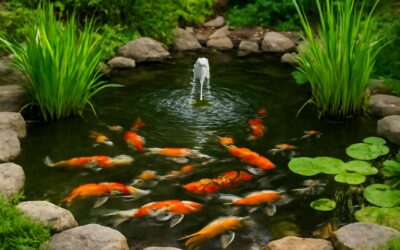
“Water never lies,” a seasoned South African pond keeper likes to say, and in the late sun, every ripple is a verdict. In pond maintenance & water care, I hear the pond breathe—the shy flutter of koi, the glow on waterlilies, the soil’s whisper beneath the margins. The art is listening before acting, balancing life above and below the surface.
Safe chemical treatments and dosing guidelines emerge from humility before the pond’s mood. Always follow the product label, never mix unrelated chemicals, and test after application. Use only pond-specific remedies, and consult a professional when uncertainty lingers.
- Read the label and adhere to recommended dosages
- Choose products designed for pond life; avoid household cleaners
- Test water after treatment and observe for stability
In South Africa’s climate, steady routines matter. The aim of pond maintenance & water care is not haste but harmony—trust the process, respect the living system, and let the water tell you when balance returns.
Filtration, Aeration, and Biological Balance
Mechanical vs biological filtration explained
Heat-hazed mornings and still water are beautiful, yet they demand careful tending. In South Africa’s summer, ponds can shed oxygen and bloom with alga in hours unless filtration, aeration, and biological balance are functioning as a team. This is the heart of pond maintenance & water care, where small choices matter.
- Mechanical filtration: physically traps leaves, sediment, and debris, clarifying water
- Biological filtration: colonies of bacteria break down ammonia into nitrite and nitrate, keeping toxins in check
- Aeration: surface movement and air exchange boost dissolved oxygen, supporting fish and beneficial microbes
Balancing these elements means watching water clarity, the surface buzz after a breeze, and the quiet chorus of life below. When kept in harmony, fish and plants thrive, and pond maintenance & water care becomes a steady, hopeful rhythm.
Aeration options for oxygenation and circulation
Hot sun over still edges can be hypnotic, yet beneath the surface a bustling choir of life needs care. In the realm of pond maintenance & water care, filtration, aeration, and biological balance form a triad that keeps koi bright and plants lush. In South Africa’s summer heat, water can loosen its breath unless the trio keeps pace with sunlight and breeze!
To oxygenate and circulate where fish and beneficial microbes thrive, aeration options include:
- Submerged air diffusers that release bubbles deep in the pond
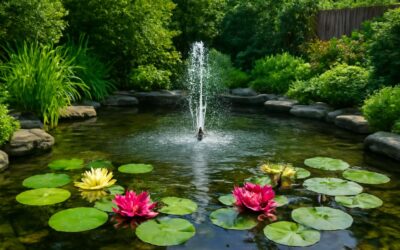
- Surface spray jets and fountains that stir the upper layer
Biological balance is the quiet governor of water quality. Beneficial bacteria transform ammonia into nitrite and nitrate, keeping toxins in check. I’ve seen how when microbes hum in harmony with aquatic plants, water stays clear and inviting. This is the essence of pond maintenance & water care.
Biological additives and beneficial bacteria
An arresting truth about backyard ponds: much of the beauty and resilience sits below the surface. In South Africa’s summer blaze, filtration, aeration, and biological balance form a living triad that keeps koi bright and plants lush—the quiet heartbeat of pond maintenance & water care!
Filtration is more than debris capture; it is a patient architect of clarity. Aeration breathes through surface and depth, lifting invisible tension and inviting beneficial microbes to flourish. Biological balance thrives on biological additives and beneficial bacteria to convert ammonia and stabilize the system, keeping water inviting rather than opaque.
- Biological additives and beneficial bacteria accelerate natural waste processing
- They form a living shield against toxins for fish and plants
- They support a stable, clear environment with fewer chemical interventions
This balance invites an almost cinematic stillness, a testament to pond maintenance & water care.
Preventing algal blooms and controlling nutrients
Water that breathes stays clear, and in SA summers that breath matters. Filtration is the quiet backbone of pond maintenance & water care. It does more than catch debris; it guides water through media that trap particles and nurture biofilms. In summer heat, steady filtration preserves clarity and keeps koi glowing.
Aeration completes the trio. Gentle surface movement and deeper bubbles lift tension, bring oxygen to unseen corners, and fuel a thriving microbial life.
- Traps fine particles and supports biofilms for beneficial bacteria
- Lifts nutrients and lowers ammonia peaks
- Reduces chemical needs by preserving natural balance
Biological balance rests on a steady supply of bacteria and additives that convert ammonia and stabilise the system. When this balance holds, algae stay in check and the water remains inviting without heavy chemical dosing. This is at the heart of pond maintenance & water care.
Seasonal Pond Care and Troubleshooting
Spring startup: debris removal and system check
As spring exhales over the veld, the pond murmurs back, a secret waking from the frost. Winter’s ledger loosens and debris drifts toward the margins—a haunting reminder that pond maintenance & water care is never truly finished. I pace the bank at dawn, listening for the breath of a waking pump and the pale shimmer where fresh water meets the living night.
- Floating leaves and seasonal detritus gathering at the margins
- Subtle signs of reduced flow or unfamiliar sounds from the filtration
- Visible wear on hoses, seals, or connections
Debris removal becomes a ritual, a quiet invitation for light and life to reclaim the edges. A careful system check reinforces the pulse of the pond, ensuring the heart of the water stays true as it awakens after winter.
Summer care: temperature spikes and oxygen management
Summer in South Africa can push pond water into the high 20s or low 30s Celsius, and oxygen can drop as the sun bakes the surface. A telling stat: in hot, stagnant water, oxygen levels can fall by up to half. Seasonal pond care is reading the signs before koi start gasping for air. All of this sits under pond maintenance & water care—no drama, just biology in a sunhat.
Keep an eye on these cues as temperatures rise:
- Gasping at the surface
- Sluggish movement and reduced feeding
- Cloudy water or odd surface films
- Warm pockets and stagnant zones
Autumn preparation: leaf fall and cleaning strategies
Autumn arrives with a sieve over water, leaves drifting like copper confetti. A veteran koi keeper quipped: “Autumn is a sieve for ponds.” In South Africa, leaf fall tests every edge of pond maintenance & water care, reminding us that care is seasonal, not static.
With cooler days, debris accumulates and water can dull, inviting cloudiness. Autumn preparation favors gentle, mindful actions: screening surfaces, allowing a slow, natural turnover, and safeguarding beneficial bacteria while excess organics are removed. Leaves carry nutrients that can unbalance the system if carried too long.
- Leaf fall patterns and debris accumulation
- Screening, surface skimming, and netting
- Balanced cleanup to preserve ecology
This is the tempo of pond maintenance & water care as autumn breathes.
Winterizing: preventing ice cover and maintaining flow
Winter isn’t a pause; it’s the pond rebalancing its breath. A veteran koi keeper once quipped that winter is the pond’s sieve—the moment surface becomes more revealing than noise. In South Africa, even cool days remind us that care is seasonal, not static.
Seasonal pond care for winter centers on preventing ice cover and preserving a gentle flow that supports gas exchange and beneficial bacteria. The goal is to keep water moving enough to deter stagnation while preserving the pond’s quiet, living rhythm. This is core to pond maintenance & water care.
- Water movement supports oxygenation and ecological balance
- Surface dynamics help limit debris buildup and algae risk
- Habitat stability for fish and invertebrates during colder periods
Small, observant adjustments keep the winter scene balanced.
Common pond issues and quick troubleshooting tips
Winter in South Africa isn’t a silent lull; it’s a patient rebalancing. A gentle crawl of water keeps gas exchange alive and the pond breathing through cooler days. Seasonal pond care means nudging the system toward flow without waking the stillness—enough movement to deter stagnation, enough quiet to cradle fish and micro-critters. In our climate, cool mornings remind us care is seasonal, not static.
Watch for telltales: surface ripples, a subtle scent change, or a koi that curiously glides with less vigor. Quick troubleshooting cues help you keep the balance without upheaval:
- Check circulation patterns and surface movement to prevent pockets of stagnation
- Inspect aeration and filtration for obvious blockages or wear
- Observe debris build-up along edges and adjust cleaning focus
This approach sits at the heart of pond maintenance & water care, blending science with a gardener’s patience and a touch of seasonal magic.

0 Comments