Koi Fish Origins and History
The Ancestry of Koi: Carp in East Asia
Across South Africa’s koi ponds, this art form feels like a quiet revolution. Last year, koi shows drew over 2,000 visitors, a signal of growing local enthusiasm. Many wonder are koi fish chinese, yet the answer lies at the crossroads of East Asia’s carp heritage. The Ancestry of Koi: Carp in East Asia begins with the common carp found across China, then migrates to Japan, where breeders cultivated color, scale, and temperament into recognizable varieties.
- Selective color and pattern breeding in China and Japan
- Refinement in Japan during the Edo period
- Global spread through modern pond culture and shows
Today, the koi you admire are more than decorative fish; they embody centuries of observation, patience, and philosophy about harmony with water. The eastern roots stretch beyond borders, reminding South African hobbyists that shared beauty travels with the pond and breathes with the community.
From Pond to Prestige: Koi in Japanese Culture
From pond margins to prestige, koi embody a bridge between craft and culture. In Japanese lore and modern gardens, a fine koi is a living emblem of patience and care. Across South Africa, enthusiasts treat koi not as pets but as water-born art that travels through time and community. are koi fish chinese? The question lingers, and the answer sits in the cross-cultural craft that shaped these glossy carp.
Within Japanese culture, koi symbolize perseverance, grace under pressure, and harmony with water. They move from garden pools to formal shows, where judges prize balance, health, and subtle temperament in color and pattern—a tradition that has grown into a global pond culture. The transformation from humble carp to national symbols—through care, design, and community—explains why many readers perceive koi as Japanese, not Chinese.
Debunking Origin Myths: China, Japan, and the Cross-Cultural Debate
Across South Africa’s glassy ponds, the question “are koi fish chinese” keeps surfacing like a koi’s burnished gloss. A striking fact: in many urban gardens, these carp become living chronicles of cross-cultural craft, echoing a long apprenticeship in patience, color, and water.
Origins blur the lines between nations. Koi began as carp in East Asia, with Chinese carp and Japanese breeding shaping the varieties we prize today. Debunking myths reveals a shared thread—care, observation, and a willingness to elevate simple pond dwellers into pageant-worthy art.
- Myth vs. reality: koi’s lineage spans China and Japan
- Breeding as a dialogue across cultures
- Symbolism evolves with taste and climate
In South Africa, this cross-cultural tension enriches pond design and education.
Key Milestones in Koi Breeding History
Across South Africa’s sunlit ponds, the question “are koi fish chinese” surfaces like a koi’s burnished gloss. Koi history traces East Asia, where Chinese carp and Japanese breeding converged to sculpt varieties that shimmer with patience, color, and water’s memory.
Key milestones in koi breeding history map a dialogue across cultures.
- Early 19th-century Kohaku in Niigata, Japan, introducing bold red on white as a signature palette.
- Taisho Sanshoku (Sanke) emerges in the early 20th century, layering tri-color complexity onto the koi canvas.
- Showa Sanshoku evolves mid-century by weaving black across body patterns, expanding contrast and depth.
- Postwar globalization spreads koi shows and garden culture worldwide, guiding South Africa’s designers and hobbyists toward new horizons.
In South Africa, this lineage informs design, education, and cross-cultural craft, where a koi’s gleam becomes a shared language of beauty and restraint.
Koi Varieties and Breeding Practices
Popular Koi Varieties and Their Traits
In the stillness of a moonlit pond, are koi fish chinese? The question glides through water like a shadow, hinting at a history that bends across borders—an allure that resonates with South African pond keepers who treasure exotic beauty in temperate climates.
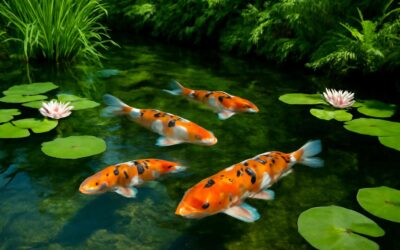
Koi varieties and breeding practices unfold like a gothic manuscript of color. Kohaku, with a pristine white field punctuated by crimson, commands attention; Sanke marries white, red, and black in a threefold whisper; Showa braids black into red and white on a darker base; Asagi cools the palate with blue-gray scales; Utsuri erupts in bold monochrome contrasts. Breeding hinges on patient selection, controlled spawning, and careful line-breeding to fix traits over generations.
- Kohaku — white body with crisp red hi that demands clean edges.
- Sanke — tri-color harmony of white, red, and black.
- Showa — black base with white and red patterns in a unified line.
- Asagi — blue-dusted scales over a net of warm hues.
- Utsuri — high-contrast black with striking color accents.
Breeding Techniques and Genetic Lineages
In a South African dusk, a koi glides through glassy water and a single thought cuts the surface: are koi fish chinese. It’s more than trivia; it’s a map of breeding intent and cultural crossovers that shape every koi we admire.
Breeding techniques hinge on controlled spawning, careful pairings, and genetic lineages that balance diversity with coveted traits. The modern breeder maps pedigrees, screens for vigor, and uses backcrossing to lock desirable patterns into a stable lineage.
- Controlled spawning and timing
- Selective pairing for color and pattern
- Backcrossing to stabilize traits
- Pedigree tracking and genetic mapping
The result is koi that keeps its mystery under temperate South African skies.
Color Patterns, Scales, and Markings
Across South Africa’s shimmering ponds, color speaks before form. Are koi fish chinese? “Color is memory,” a veteran keeper likes to say, and breeders listen, tracing lineage through pigment and light. In this quiet dialogue, color patterns, scale types, and markings become a living language that transforms ordinary fish into artful subjects for study and wonder.
Breeding techniques hinge on careful timing, selective pairing, and a patient eye for balance. Doitsu versus regular scales create distinct textures; crisp edge markings and even color blocks signal a stable lineage. The result is koi whose patterns stay vibrant as they mature, a testament to discipline and reverent regard for lineage in temperate climes.
- Pattern balance and symmetry
- Scale type and sheen (regular vs doitsu)
- Edge crispness and color clarity
Under South African skies, this craft remains both technical and poetic, a cross-cultural practice that keeps evolving as breeders chase refinement while preserving mystery.
How Breeders Track Lineage and Quality
“Lineage is memory in pigment,” the veteran keeper likes to say. Across South Africa’s shimmering ponds, are koi fish chinese? The breeders’ answer lingers in quiet practice: careful pairing, patient observation, and a reverent regard for bloodlines. Breeders chase balance as surely as color, because the texture of scales—regular or doitsu—and the edge of each mark signal a stable lineage. Color patterns and markings become a living map, guiding selection through generations.
Breeding practices hinge on meticulous record-keeping: stud lists, pedigrees, and brood-stock rotation. Progeny are measured for temperament, growth, and color stability, with culling decisions based on consistent line performance. Doitsu versus regular scales are evaluated for texture, while edge crispness and color clarity remain watchwords in selection.
- Longitudinal pedigrees
- Scales and texture data
- Progeny performance criteria
Koi Care, Ponds, and Maintenance
Setting Up a Koi Pond: Requirements and Design
In South Africa’s sun-drenched yards, a koi glow can feel like a living storm begging to break. are koi fish chinese, the phrase that sparks debate, sits at the heart of pond lore—linking ancient East Asian craft to a contemporary garden spectacle.
Koi Care is both art and science: watch water quality, provide calm aeration, and offer a diet that fuels color without waste.
- Robust filtration and aeration
- Non-toxic materials and safe substrates
- Balanced nutrition and minimal waste
Ponds require design that respects climate and space; depth to accommodate growth, shade to protect pigment, and discreet outlets that keep the surface serene for koi to glide.
Maintenance and design are ongoing rituals, not one-off tasks. Regular testing, seasonal balance, and mindful planting keep the koi pond alive as a living sculpture in a South African landscape.
Water Chemistry and Filtration Essentials
“Water, not wealth, is the koi keeper’s truest treasure,” a South African pond whisperer declares! In sun-drenched yards, the question ‘are koi fish chinese’ sits at the crossroads of myth and garden art. Koi Care is both art and science: watch water quality, invite calm aeration, and offer a diet that fuels color without waste.
Key components emerge as a quiet litany:
- Biological filtration that nurtures beneficial bacteria in thoughtfully chosen media
- Aeration strategies that lift surface tension without churning the water into waves
- Nutrition planning to maximize color while minimizing waste and nutrient spikes
Maintenance is an ongoing ritual, not a one-off task. Regular testing for pH, ammonia, nitrite, and nitrate, coupled with seasonal balance and mindful planting, keeps the koi pond alive as a living sculpture in a South African landscape.
Feeding, Health Monitoring, and Common Ailments
In the tapestry of sunlit South African ponds, the question are koi fish chinese lingers like a whispered tale. The truth is vivid: koi care transcends origin, and healthy color depends on water clarity, calm aeration, and mindful feeding.
Koi care is a living practice: monitor temperatures, oxygen levels, and weekly water tests to keep the koi vibrant. Ponds become art when filtration hums softly and feeding routines respect the fish’s metabolism.
Maintenance feeding and health monitoring are ongoing rituals. Consider these touchpoints:
- Regular portioned feed aligned with water temperature
- Nutritional balance to maximize color without waste
- Routine health checks and quarantine for newcomers
Common ailments to watch include ich, fin rot, and parasite flutter; rapid spotting and lethargy warrant a quiet pause in the routine and a closer look at water quality.
Seasonal Care and Winterizing Your Pond
Water is the painter, and in South Africa’s sunlit ponds color blooms where clarity and calm pair with patient care. The question are koi fish chinese resurfaces in casual chats, yet true koi care transcends origin—koi respond to clean water, steady oxygen, and mindful feeding. Koi keepers cultivate a living tapestry, watching temperatures, testing water weekly, and letting filtration hum like a soft drum. “Clarity is color,” a keeper reminds us.
Maintenance and seasonal care weave through the year with grace. Here are touchpoints that keep a pond vibrant and healthy:
- Seasonal care: adjust feeding to water temperature and avoid waste; monitor filtration.
- Winterizing: protect against cold snaps with aeration and, where needed, a gentle de-icer.
- Quarantine and routine health checks to safely welcome newcomers and prevent stress on existing koi.
Cultural Significance, Myths, and Modern Perceptions
Koi in Art, Tattoos, and Media
Across South African gardens and urban walls, koi shimmer as symbols of resilience and refinement. In one recent survey, 68% of pond enthusiasts cited koi as their dream fish. They appear in murals, on pots, and in reflective pond water, sparking conversations about lineage. Many readers ask, ‘are koi fish chinese’, as they trace their cross-cultural journeys.
Myths around koi linger, but their modern perception is bold: in tattoos and cinema, they symbolize grit and perseverance more than luck. In art, they translate endurance into motion.
- Public art and murals
- Tattoos and personal symbolism
- Media depictions in film and branding
In South Africa, that blend of myth and modernity makes koi feel like living sculpture—timeless yet contemporary.
The Myth vs Reality: Geo-Origins Debates
In South Africa, a revealing pond survey shows 68% of enthusiasts naming koi as their dream fish—the kind that lingers in stone pots and glassy reflections. The question are koi fish chinese surfaces in conversations about lineage and legacy, a cross-cultural hinge that keeps readers listening.
Myths cling like mist over a midnight pond. I hear them whisper—koi as talismans of luck, others as river spirits with a jade gaze! Yet in South African gardens and urban murals, they stand for resilience and refined motion, a living sculpture that outlasts fads.
The Myth vs Reality: Geo-Origins Debates unfold as modern eyes link koi to East Asia while breeders across continents remix lines and colors. In film, branding, and a thousand tattoo studios, their image travels beyond any single geography, turning the debate into a shared ritual that thrives in South Africa’s ponds and galleries.
How to Verify Breeder Claims About Lineage
In South Africa’s sun-warmed ponds, koi become living ornaments and meditations on patience. The question are koi fish chinese surfaces in local dialogues about lineage and legacy—a cross-cultural hinge that invites readers to listen closely to memory and water.
Myths cling like mist over a midnight pond, whispering that koi are talismans of luck or river spirits with jade eyes. In our gardens and urban murals, their quiet propulsion stands in for resilience, a sculpture that survives trends and tastes.
Today, koi travel through film, branding, and studio art, their image circling East Asia and branching into global design. In South Africa, these creatures become bridges between tradition and contemporary aesthetics, a shared ritual that keeps galleries, ponds, and dreamers engaged!
When claims of lineage arise, discernment matters. Look for documented parentage, registry entries, and consistent proof from multiple generations in reputable records.
Buying Tips: What to Ask Before You Buy
Water in sun-warmed South African ponds changes reflections as it changes opinions. Koi have long stood as living memory keepers, bridging East Asian symbolism with contemporary garden aesthetics. The lingering question are koi fish chinese surfaces in dialogue about lineage, inviting readers to listen to memory and water. The question persists: are koi fish chinese, and what does that imply for a garden in this country?
Myths cling like mist—koi as talismans of luck, as river spirits with jade eyes. In gardens and walls, their quiet propulsion stands in for resilience, a sculpture that quietly defies trends.
- Talismans of luck
- River spirits with jade eyes
- Symbols of perseverance across generations
Today, koi traverse film, branding, and studio art; modern perceptions frame them as living design, bridging East and South African sensibilities. What to ask before you buy:
- What documentation backs parentage and registry?
- Has the fish shown consistent color and pattern across generations?
- What health history is available, including tests or screenings?
- How will the pond environment support long-term color and vitality?

0 Comments