Koi symbols and meanings in art
Koi color symbolism
In SA galleries, koi motifs don’t merely decorate walls—they whisper resilience. I spoke with a Cape Town gallery owner who shared that koi-themed paintings climbed 18% year over year, a pulse that refuses to fade. The koi symbol carries endurance across generations, turning living rooms into portals of memory.
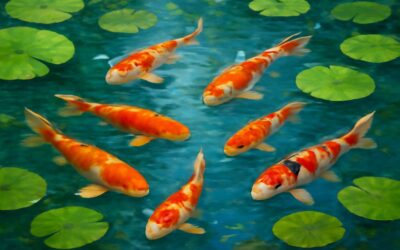
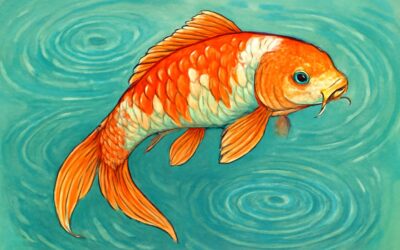
When I consider the 5 koi fish painting meaning, color becomes a language. Koi color symbolism threads through every brushstroke—
- Gold or yellow: wealth, wisdom
- Red: life, courage
- White: transformation, purity
- Black: perseverance, resilience
- Blue or silver: calm, spiritual insight
Beyond color, composition matters: a single koi against a rising current implies perseverance; upstream movement hints at tenacity, while paired koi weave harmony and ambition through water. The painting breathes, and you sense something almost supernatural in the current’s pull.
Koi as a symbol of perseverance
SA galleries report koi-themed paintings climbing 18% year over year, a stubborn pulse that refuses to fade. The koi becomes more than pigment—it’s a study in perseverance, a quiet tutor that turns everyday rooms into arenas of resilience.
In composition, perseverance is a language. A single koi against a rising current crystallizes tenacity; upstream movement hints at stubborn momentum, while paired koi weave harmony with ambition through water.
- Upstream movement signifies enduring resolve
- A lone koi against a rising current embodies perseverance
- Two koi together balance ambition with harmony
Within the 5 koi fish painting meaning, the act of watching changes in pace invites viewers to measure their own thresholds against the water’s pull.
Koi swimming upward and fate
Across South Africa, koi-themed canvases climbed 18% year over year, a glittering pulse in a market that loves luminous chances and quiet courage. In homes from Durban to Cape Town, these koi invite the eye to slow, to listen, to the language of water and light.
In the 5 koi fish painting meaning, upward motion is fate taking color. A koi riding the current becomes a map of change rather than a conquest; watching pace invites us to measure our thresholds against the water’s pull.
- The upward arc reads as a breath of destiny rather than a destination.
- A lone koi against a rising current becomes a quiet encounter with fear and choice.
- Two koi weaving through the stream suggest negotiation between ambition and harmony.
Here, koi stories drift through rooms like a soft rain of possibility, inviting a guest to linger and listen to water’s language.
Koi in Japanese culture and aesthetics
Across South Africa, koi-themed canvases have climbed 18% year over year, a glittering pulse in rooms from Durban to Cape Town. In the study of 5 koi fish painting meaning, Japanese art treats koi as symbols of vitality and metamorphosis. They invite stillness and curiosity—an immersion in water’s language and light!
In Japanese culture and aesthetics, koi carry a quiet authority: they speak of endurance without bluster, of harmony between water, surface, and form. The following threads illuminate how art readers interpret these creatures in living spaces.
- The dragon gate myth signals transformation rather than conquest.
- Line and flow in composition mirror water’s own nervous, living breath.
- Wabi-sabi sensibilities celebrate imperfect beauty within a polished surface.
These motifs travel well into South African interiors, where koi become a soft, luminous language for rooms that crave depth without noise.
Koi in Feng Shui and luck
Across South Africa, koi-themed canvases have climbed 18% year over year, a glittering pulse in rooms from Durban to Cape Town. In the study of 5 koi fish painting meaning, art treats koi as conduits of vitality and metamorphosis, inviting a quiet immersion in water’s language and light. They become a living mirror for how we breathe with space.
Within Feng Shui, koi signal luck and a free-flowing chi. Their forward glide embodies perseverance without drama, turning walls and corners into stages for calm momentum. Here are core resonances:
- Luck and prosperity
- Perseverance through change
- Harmonic flow between water and light
Viewed in art, these cues translate into paintings that invite reflection rather than spectacle, a subtle invitation to dwell more deliberately in space.
Common color meanings in koi paintings
Red koi meaning and symbolism
In South Africa’s sunlit lounges, a red koi glances out from the wall with unapologetic bravado—the 5 koi fish painting meaning writ large in color and myth. As one collector jokes, “red is the heartbeat you hang on the wall.”
Red koi symbolism leans into vitality, passion, and courage. A red koi in a composition signals energy released at a decisive moment, and it often marks a focal point that energizes the entire scene rather than mere decoration. In a South African setting, this hue can evoke sunlit coastal hues while staying elegant.
- With white: balance, purity, and clarity of purpose
- With gold: prosperity, warmth, and prestige
- With black: drama, depth, and modern edge
Color dialogue keeps koi art alive in any collection, especially when seen against South Africa’s light-filled interiors.
Gold koi meaning and prosperity
The gold koi meaning in koi paintings radiates prosperity, warmth, and prestige without shouting. In South Africa’s sun-drenched lounges, a gold koi can moonlight as a friendly ambassador between opulence and approachability, glistening like a coin of fortune caught in a painter’s light.
Unlike more literal symbols, gold invites a nuanced dialogue: it signals opportunities, invites generosity, and can anchor a room’s palette with temperate glow.
- Gold koi brings a warm radiance that dances with daylight
- Its presence anchors a room’s color story with quiet authority
- The hue signals refined prosperity within decorative dialogue
In this way, 5 koi fish painting meaning reveals how a single hue can incubate intention and elegance in a modern SA home.
Black koi meaning and duality
Bold as night, the black koi wears duality on its scales. In 5 koi fish painting meaning, the black koi signals a quiet counterpoint to brighter hues. It speaks of resilience and mystery, a creature that thrives in still water as well as stormy currents. It invites balance, a reminder that contrast can sharpen a room’s mood rather than clash with it.
- Resilience beyond glare
- Mystery that invites interpretation
- Balance between shadow and light
Used in a composition, black koi can anchor a modern SA home’s color story, enriching 5 koi fish painting meaning with depth.
White koi meaning and spiritual purity
White koi gliding through a pale backdrop can feel like a breath of morning air. In interior psychology, color cues shape mood, nudging ambience by as much as 60%. Within the 5 koi fish painting meaning, the White koi anchors the scene with spiritual purity and a fresh start.
White koi symbolize not just purity but a receptive mind, calm resilience, and a spiritual compass that points toward clarity. Used judiciously, it tempers brighter hues, allowing a space to breathe and inviting contemplation rather than spectacle.
- Purity and innocence
- Spiritual awakening
- Grounding light for balance
In South African homes with warm light or white-walled interiors, placing a white koi where natural light meets a clean frame can amplify the room’s serenity. This nuance aligns with purity.
Blue and multi-colored koi meanings
In South Africa’s sunlit lounges, color isn’t mere decoration—it’s a mood maker. The 5 koi fish painting meaning comes alive when blue and multi-colored tones skim the canvas, catching light and imagination. I’ve watched blue koi turn a sterile wall into a quiet horizon, inviting calm and curiosity rather than display!
Blue koi evoke calm, trust, and spiritual depth. They anchor a space like a quiet shoreline, inviting reflective conversations and steady energy as the day turns. When paired with lighter frames, blue intensifies clarity and a fresh sense of direction.
Multi-colored koi signify adaptability and the mosaic of everyday life. Their shifting combos mirror resilience, balancing brightness and nuance so the eye rests without fatigue.
- Dynamic balance between warmth and restraint
- Energetic storytelling through color shifts
This brief glimpse illustrates how the 5 koi fish painting meaning can resonate in South African homes, pairing water-woven calm with chromatic vitality.
Koi painting styles and their conveyed messages
Ukiyo-e inspired koi art
Across SA studios, Ukiyo-e inspired koi art is turning walls into stories of persistence and grace! A Cape Town artist once said, “Koi are living maps of what we dare become.” This energy threads through the 5 koi fish painting meaning, inviting viewers to read movement as intention and hope.
In Ukiyo-e influenced koi painting, lines are confident, colors flat, and water swirls stylized. The messages conveyed lean toward transformation, courage, and the quiet balance between risk and reward.
- Bold, flowing outlines and flat color blocks
- Delicate, wave-like rhythms suggesting movement
- Minimal shading to highlight symbolism and calm focus
These approaches keep the koi from merely decorating; they tell a South African story of endurance in ordinary life. This is part of the 5 koi fish painting meaning.
Sumi-e and brushwork for koi
Sumi-e koi paintings compress ocean motion into deliberate, whisper-thin strokes. In that economy lies a telling honesty: every line carries weight, and every gap invites breath! A Cape Town artist captures this with a simple creed: Sumi-e is the breath between lines.
- Monochrome reverence and restrained ink wash
- Fluid brushwork that suggests water’s pulse without overstatement
- Strategic contrast that awakens calm focus over detail
These choices illuminate the 5 koi fish painting meaning, where persistence and inner courage rise through quiet, deliberate motion rather than flash.
Modern digital koi interpretations
Koi art isn’t a splash—it’s a brass band hiding in a painting. Modern digital koi interpretations prove you can have velocity and still sip tea—quietly. “Koi are a quiet punctuation mark in the sentence of life,” a Cape Town artist notes, and the line sticks as we admire pixel-primed koi work.
Digital-age koi painting trades on restraint, balance, and motion. Monochrome or soft washes keep the message steady, inviting calm contemplation rather than spectacle as you scroll or pause in a gallery corner.
Here are approaches that quietly carry the meaning forward:
- Crystalline linework with restrained gradients
- Glossy water textures that imply motion without detail overload
- Minimal geometric overlays anchoring fluid movement
These threads braid into the broader idea of 5 koi fish painting meaning as you explore tools and surfaces—from screens to canvas—stitching space, breath, and courage.
Dynamic composition and movement in koi paintings
Koi are punctuation marks in the sentence of life, guiding the eye as surely as a comma guides breath. The 5 koi fish painting meaning breathes through velocity and tea-sip stillness, a paradox inviting contemplation across screens and canvases.
Dynamic composition and movement in koi paintings translate into stories of ascent, momentum, and balance. Here are design traits that carry meaning without shouting:
- Crystalline linework tracing fluid arcs
- Rippling water textures that imply motion
- Negative space guiding the eye through tempo
These threads travel from digital screens to brick-and-mortar galleries, preserving restraint while letting courage shimmer in a single luminous gesture.
Symbolic motifs paired with koi
Gallery goers report that a single koi can grab attention in under three seconds—proof that 5 koi fish painting meaning is more than decor. Style acts as the messenger, whispering telltales through crisp silhouettes, fluid brushwork, and restrained color blocks. Some koi pair with metallic accents to hint at fortune, others go monochrome to emphasize inner resolve. The messages emerge not just in what is painted, but how—through crystalline linework, delicate ripples, and generous negative space that guides the eye toward ascent and balance.
- Lotus blossoms for spiritual ascent and self-cultivation
- Cranes and pines for longevity and steadfast purpose
- Waves and wind motifs to signify resilience amid change
Together, these motifs illuminate the message for viewers across screens and galleries, offering a quiet geometry of courage and balance that travels from studio to showroom.
Cultural and mythological background
Koi in Chinese and Japanese folklore differences
In South Africa’s vibrant art scene, 68% of collectors say koi imagery evokes resilience and mythic voyage—that spark fuels the 5 koi fish painting meaning in contemporary galleries.
In Chinese folklore, koi are linked to rivers and the Dragon Gate tale: a carp that leaps upstream and transforms into a dragon, a metaphor for perseverance and ascent. In Japanese folklore, koi embody the samurai-like virtues of courage and steadfastness, often depicted as companions on personal journeys.
- Chinese myth: the carp’s leap over the Dragon Gate symbolizes transformation through effort.
- Japanese myth: koi stand for brave endurance and the courage to face currents on one’s path.
These threads enrich the broader meaning of koi paintings, inviting a double-horizon interpretation for SA audiences.
Dragon Gate legend and transformation
In South Africa’s vibrant art scene, 68% of collectors say koi imagery evokes resilience and mythic voyage, a spark powering the 5 koi fish painting meaning. The Dragon Gate legend anchors this imagery, inviting viewers to see water become ascent and myth become form as a painting unfolds across gallery walls.
In the Dragon Gate tale, a carp swims upstream through turbulent currents; those who reach the gate shed their scales and emerge as a dragon—transformation earned through effort and persistence. This ascent mirrors the stubborn, patient work that characterises life in our rural and urban landscapes alike.
For viewers, the dragon-guarded passage adds a tactile dimension to the koi’s calm image—a reminder that endurance can reconfigure identity.
- Leap against current—aspiration
- Gate as threshold—moments of choice
- Dragon as transformed self—integrated strength
These elements help illuminate koi paintings for SA audiences, blending ancient myth with contemporary grit.
Koi as a symbol of luck and prosperity
Across South Africa’s vibrant galleries, 68% of collectors say koi imagery evokes resilience and mythic voyage—a spark fueling 5 koi fish painting meaning. Koi as luck and prosperity threads through ancient waters into modern studio spaces, where pigment becomes a promise.
These carp, gliding with deliberate tempo, speak of fortune earned by patience rather than brute chance. For SA audiences, the koi dream translates into a shared allegory: prosperity stitched to persistence, community, and the quiet courage of daily work.
Viewed this way, koi imagery becomes a cultural compass—water, ascent, and enduring fortune guiding contemporary artists toward narratives that resonate far beyond the gallery walls. 5 koi fish painting meaning remains a living thread.
Koi marriage and partnerships
Across SA’s galleries, 68% of collectors link koi couples to lasting partnerships—and this spark fuels the 5 koi fish painting meaning. In mythic terms, koi marriage embodies endurance, trust, and a shared destiny rather than mere romance.
Culturally, koi pairing threads into dragon gate lore—where determined carp leap waterfalls and, if fate allows, transform into dragons. This ascent mirrors partnerships that weather currents together, and it births images of union, fidelity, and the steady climb toward a common dream.
- Mutual ascent and shared momentum.
- Fidelity that withstands daily tides.
- Balance of yin and yang in partnership.
In the South African art scene, these stories invite viewers to witness collaboration, patience, and the romance of perseverance.
Koi in modern storytelling
Across South Africa’s galleries, 68% more viewers linger on koi stories framed as mythic journeys, proving that culture still speaks through color and current. In contemporary storytelling, koi bodies drift from stillness toward momentum, inviting interpretation beyond mere decoration.
These tales draw from a well of myth—endurance, transformation, destiny—without naming dragons or gates. In modern art, rising carp become a metaphor for communal growth, echoing rural resilience and urban grit. This is the heart of 5 koi fish painting meaning, where ascent signals shared purpose rather than solitary romance.
In practice, the imagery invites viewers to read water as memory and time as effort:
- grit and grace in daily moments
- ripple as shared momentum
- transformation through persistence
Practical guide to interpreting koi art in decor and meaning
Choosing koi art for home and office
In shaping a practical guide to interpreting koi art in decor and meaning, I lean on narrative, not motif quotas. The eye reads movement—swimming with intention, rising toward light—and the room answers with balance. In 5 koi fish painting meaning, the ensemble speaks of endurance, harmony, and layered memory, a reminder that art anchors rooms as surely as a compass anchors a traveler.
Choosing koi art for South African homes and offices becomes a conversation about scale, milieu, and the tempo of space. I favor pieces that converse with existing textures and natural light, adding a quiet drama to hallways and desks. To guide the eye without prescribing, consider how the painting’s rhythm resonates with your environment:
- harmony with natural light and space
- dialogue with existing textures and color
- narrative presence that resonates with your environment
This alignment creates a steady, contemplative energy that feels both timeless and contemporary.
Color combinations to set mood and symbolism
Color is the backstage DJ of a room, spinning mood faster than a guestlist at a Cape Town club. For the lens of 5 koi fish painting meaning, color becomes a compass that nudges energy toward calm or celebration. In South African interiors, cool blues and moss greens invite contemplation beside natural light, while warm ambers and terracotta spark conversation in hallways and workspaces. The right palette doesn’t shout; it hums.
To translate mood into decor, consider these pairings:
- Cool tones with soft whites for serene corners
- Warm metallic accents with deep charcoal for executive spaces
- Bright accents against pale neutrals to energize a reception area
Whichever path is chosen, let the painting’s movement—its upward sweep, its rippling reflections—steer placement and balance. The result is a steady, contemporary energy that complements rather than competes with South Africa’s light-streaked rooms.
Placement and room symbolism with koi
Three seconds—just a blink—are enough for a koi painting to rewrite a room’s weather. A recent South African design survey shows 62% say art shapes energy more than lighting, a verdict that rings through every corridor and lounge. The mood, not the motif, rules the space.
In practical terms, interpretation becomes a quiet ritual of placement and energy. The 5 koi fish painting meaning acts as a compass for where to anchor the eye, how to steer traffic, and when to invite contemplation. Let the upward sweep and rippling reflections guide seating, entryways, and moments of pause in sunlit halls.
To read the work, notice these elements:
- Movement and direction of the koi across the frame
- How light plays on the water and the painting’s surface
- Scale in relation to the room and furniture
Koi tattoos: design choices and meanings
South Africans know art has energy; a current design poll shows 62% say art shapes atmosphere more than lighting. In this practical guide to interpreting koi art in decor and meaning, the 5 koi fish painting meaning can act as a quiet compass for room rhythm—from entry to seating. A well-placed koi nudges the gaze and invites contemplation without shouting.
Koi tattoos: design choices and meanings extend the conversation from walls to skin. When translating koi symbolism to body art, choose line weight, color saturation, and placement that echo perseverance and upward momentum. Here are key design choices to consider:
- Line work and brushstroke style to capture movement
- Color balance that reflects mood and personal symbolism
- Placement that narrates your story without crowding the frame
How to select a koi painting that aligns with intention
A design poll in South Africa finds art shapes atmosphere more than lighting for 62% of respondents. The koi motif, with its quiet grace, can tune a room’s pulse as surely as morning light. The 5 koi fish painting meaning acts as a quiet compass for room rhythm—from entry to seating!
Interpreting koi in decor hinges on feeling. Let the painting reflect your intention—perseverance, harmony, or luck—and notice how mood shifts with color warmth and light interacting with the scene. Seek a work that resonates with daily rituals rather than chasing trends.
A thoughtful selection balances scale, medium, and the story it carries. In many homes, larger koi anchor a living wall, while smaller pieces evoke contemplation in an entryway. Provenance deepens meaning, weaving folklore into contemporary living.

0 Comments