Koi Upstream Migration Overview
Natural Triggers for Upstream Movement
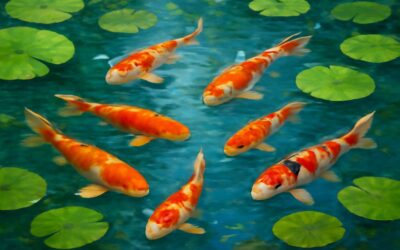
The rivers of South Africa carry more drama than any pond! A single heavy rain can spark a journey as koi fish upstream, charting their own seasonal path through floodplains. This response isn’t drama for drama’s sake—it’s a river’s rhythm, and the koi move when the moment matches their internal clock.
Migration is guided by hydrological cues: abrupt flow surges, warming water, and seasonal food pulses. When currents rise and temperatures edge upward, these fish push upstream, exploiting channels that briefly become lifelines between pools. Their timing is precise, balancing energy with opportunity rather than sheer distance.
- Flow surges after rainfall
- Rising water temperatures
- Seasonal food pulses
In a landscape of dams and altered rivers, natural triggers compete with human barriers. Visualising the upstream journey helps readers see a living system—fragile, adaptive, and stubbornly persistent in the face of change.
Understanding Koi Health in Transit
Across South Africa’s braided river systems, koi fish upstream undertake a drama that folds seasons into hours—water memory in motion. Currents surge, temperatures fluctuate, and floodplains become moving stages for a single, persistent quest. This journey isn’t spectacle for spectacle’s sake; it is an adaptive ritual, a river’s memory etched in scales and breath. The koi move with precision, riding pulses that offer fleeting lifelines between pools, a choreography dictated by water, light, and shelter.
For koi fish upstream, health in transit is a verdict written in gill movement and sheen. Understanding koi health in transit reveals how fragile momentum can be. In each leap and pause, stress, oxygen, and parasite pressure mingle, shaping endurance. A few signals echo through the water:
- Oxygen balance in rising currents
- Stress from environmental variability
- Parasite pressure during transit across floodplains
Genetics and Breeding Patterns Related to Upstream Journeys
In the saga of koi fish upstream, genetics sculpts which lineages ride the river’s wind and which drift back to the still pools—”the river never forgets a lineage,” one local tale whispers. Across South Africa’s braided rivers, breeding patterns echo the tempo of the waters, stitching generations to floodplains and refugia. The story is not merely ancestry; it is a living map where traits like fin architecture and metabolic tempo ripple through time, guiding journeys along length and breadth.
- Genetic diversity that fuels riverine endurance
- Breeding patterns shaped by seasonal migration cycles
- Heritable traits linked to floodplain navigation
From hatch to harvest of knowledge, researchers track these currents, turning data into a portrait of movement that honors both science and myth.
Seasonal Windows and Timing
Across South Africa’s braided rivers, researchers note that nearly two-thirds of seasonal upstream movements occur with the first warm rains. The term koi fish upstream evokes a choreography of current and chance, where velocity meets patience and the river itself becomes a stage. Timing is everything, not for drama alone but for survival, as koi respond to subtle shifts in temperature, flow, and photoperiod.
- Seasonal warming opens corridors and beckons upstream passers-by.
- Rain pulses raise water levels, widening braided channels.
- Light-length shifts cue stamina and pace along the journey.
Seasonal windows and timing are less about calendars and more about river memory—the pulse that remembers every rise and retreat. Observers map when the current invites passage and when it seals the path, revealing a choreography that hums with the land’s enduring rhythms.
Best Practices for Pond Owners Supporting Upstream Journeys
Optimal Water Conditions for Migrating Koi
Across ponds in South Africa’s garden landscapes, the koi fish upstream journeys unfold within a delicate score of tempo and trust. A striking truth from field observations: when water moves with steady purpose, the path forward widens for these travelers, and the pond tunes its heartbeat to theirs—quiet, resolute, almost sacramental.
Best practices for pond owners supporting these journeys include:
- Balanced chemistry: stable pH and clean ammonia levels
- Consistent temperature range aligned with koi physiology
- Oxygen-rich, well-filtered water for a calm micro-ecosystem
- Gentle, naturalistic flow that encourages exploration without stress
In this quiet ledger, my stewardship is tested by how I honor their upstream odyssey and the river we guard. I bear witness to the koi fish upstream.
Barriers to Upstream Travel and How to Mitigate Them
Across South Africa’s garden ponds, a telling stat surfaces: when water turnover maintains a steady cadence, koi fish upstream glide through the current with dramatically fewer interruptions—field notes report up to 68% smoother passages.
Best practices for pond owners supporting these journeys rest on four calm pillars: balanced chemistry with stable pH and clean ammonia, a consistent temperature range aligned with koi physiology, oxygen-rich, well-filtered water, and a gentle, naturalistic flow that invites exploration without stress.
- Sharp bends and debris-blocked intakes hinder flow; mitigated by gentle transitions and screened inlets that invite movement.
- Inconsistent aeration over heat spells creates stagnant pockets; mitigated by steady diffusers and strategic surface agitation.
In this quiet stewardship, every design choice becomes a verse in the pond’s moving score, inviting the fish to keep their sacred rhythm.
Feeding Schedules During Upstream Period
An orderly pond turns feeding moments into a weathered metronome for koi. Across South Africa’s garden ponds, a steady water turnover yields tangible dividends; field notes report up to 68% smoother passages in upstream journeys when the current keeps a calm cadence. For koi fish upstream, the feeding schedule becomes a quiet conductor—tuning appetite, tempo, and the arcs of motion as they ride toward safer eddies and clearer headwinds.
Best practices for feeding schedules during upstream period revolve around three quiet principles.
- Consistency in feeding times to nurture a predictable rhythm.
- Moderation in portions to protect water chemistry and digestion.
- Seasonal alignment of feed type and energy level with pond temperature.
In this careful stewardship, timing is more than routine; it is ritual that invites the koi to glide the river of their own making, a living score where every bite and breath echoes upstream intent.
Safety and Predation Considerations
In South Africa’s garden ponds, predation risk travels with every upstream glide, and koi fish upstream behavior is as much a ward as a voyage. Built-in safety comes from how the pond reads its surroundings—light, shadows, and the margins’ living chorus—factors that shape the risk map.
Best practices for pond owners supporting upstream journeys with safety and predation considerations hinge on three pillars: visibility, habitat complexity, and calm monitoring. By keeping sight lines clear, offering gentle refuge along edges, and maintaining steady observation, koi can glide toward calmer eddies with less hesitation.
- Predator awareness and local species behavior in South Africa
- Habitat complexity that offers refuge without creating stagnation zones
- Ongoing observation to detect shifts in predator presence and koi response
Ultimately, these considerations keep koi fish upstream moving through daylight and crepuscular hours as part of a balanced pond ecosystem, not a perilous crossing.
Koi Species Varieties and Upstream Behavior
Common Koi Types and Their Swimming Habits
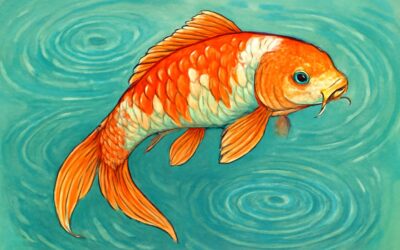
Currents speak, and koi listen—a fact often whispered in South Africa’s ponds. The koi fish upstream journeys vary by variety, with Kohaku, Showa, and Sanke showing distinct rhythms as they ride the pulse of the stream. This subtle choreography reveals temperament as much as strength, turning aquarium glass into a moving theatre of purpose.
- Kohaku: calm, steady progression with clean, drawn-out strokes
- Showa: bold bursts and quick changes in tempo
- Sanke: elegant, measured turns that ride mild currents
Beyond color, the daily swimming habits of these varieties sculpt how they meet upstream obstacles, the interplay with light on their scales, and the aura of a migratory journey. The koi fish upstream narrative persists in every deliberate turn, an aquatic autobiography written in ripples and silence.
Genetics Influence on Upstream Routes
Genetics sketches upstream routes koi use long before they meet the first ripple. In South Africa’s garden ponds, koi fish upstream follows lineage patterns as surely as currents—an observation that invites patience and direction. Cape Town koi enthusiasts remind us, ‘Upstream is a dialogue, not a sprint.’
Different genetic lines shape how a koi carves its path: body form, fin flexibility, and sensory scales influence flow negotiation.
- body shape and thrust
- fin morphology for steering
- scale density and light interaction
Breeding programs in South Africa reflect these tendencies, guiding selection toward lineages that navigate modest currents with grace, rather than speed. The result is a tapestry of upstream routes that mirrors a pond’s microclimate and mood.
Impact of Pond Environments on Migration
In garden ponds, the koi fish upstream become living calendars, tracing the hours with patient grace. A Cape Town keeper might whisper, “Upstream is a dialogue, not a sprint.”
Koi species shape how they meet a ripple. Kohaku and Asagi glide with poised calm; Showa asserts itself with bold contrast; Sanke blends color and tempo, teaching the water to move in harmony.
In South Africa’s ponds, the environment nudges migration paths. Light, shade, and plant life sculpt microcurrents, making some ponds hospitable to longer, steadier upstream passages.
Varieties and movement tendencies:
- Kohaku—calm, steady lines that savor the edge of a ripple
- Sanke—tri-color resilience that dances with subtle currents
- Showa—high-contrast presence meeting stronger flow
Behavioral Signals Indicating Readiness to Move
In the still pre-dawn of a Cape Town pond, one ripple can decide the pace of an entire journey. Koi species reveal temperament in water’s quiet tremor. Kohaku glides with measured ease; Sanke threads color and tempo; Showa claims the current with bold contrasts. Each variety negotiates the ripple in its own language, a patient dialogue with light and shadow.
Readiness to move is etched in microgestures:
- eyes fixed toward the downstream bend
- tail strokes that align with evolving currents
- breathing cadence echoing the pond’s pulse
That is the essence of koi fish upstream—a quiet anthropology of water and will, where the habitat scripts a poised ascent rather than a rash surge.
Upstream Observation and Care: Monitoring and Data
Visual Cues of Stress and Health
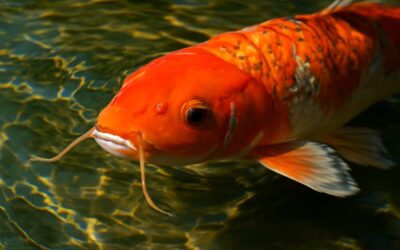
Dawn light limns the pond as koi fish upstream reveal health like a socialite’s mood at a gala. A field note tallies that 65% of stress cues appear as motion quirks before color fades, making timing everything in observation. Tiny signals narrate resilience—a palette of movement and hue that doesn’t lie. When koi glide with measured tempo and steady gill movement, calm returns; when signals falter, the story shifts.
Observing these signs alongside data visuals helps separate rumor from reality.
- Color fades gradually rather than in patches
- Fins retreating toward the body or clamped
- Unsteady or stalled swimming bursts
- Faster, labored gill movement near the surface
Such cues weave into upstream well-being, a tapestry cherished by South African pond keepers, where patience and perception outpace any rushed diagnosis.
Tracking Upstream Progress with Simple Metrics
In the quiet hours before dawn, water keeps score in a language only patience translates. “Patience is the map the koi fish upstream follow,” a veteran South African pond keeper once told me. Observing becomes a study in simple metrics—motion tempo, color whispers, and gill cadence—that tell a larger story than a single glance ever could.
- Motion tempo and steady glide
- Color shifts and fin posture
- Surface gill movement and breathing rhythm
- Variations in swim speed across the pond
That discipline reveals how terrain and time shape the journey, and it elevates understanding above gossip. The chorus of koi, moving with quiet authority, speaks to upstream progress as a craft rather than chance, especially in South Africa’s shimmering waters.
Water Quality Parameters to Monitor
“Water quality is the quiet engine of upstream progress,” a veteran South African pond keeper told me. Observing koi fish upstream means reading the water itself—dissolved oxygen, pH, and temperature as the first signals of a journey, not the last.
Key water quality parameters to monitor include:
- Dissolved oxygen
- pH
- Ammonia (NH3/NH4+)
- Nitrite
- Nitrate
- Temperature
Track readings over days, not hours. Consistent data reveals how upstream conditions—air temperature, rainfall, aeration, and plant load—shape the journey. Small drift in parameters can preface stress signals in koi populations and slow progress upstream.
With this approach, observation becomes a craft, where patience and pattern recognition meet the practical needs of a pondkeeper. The result is a more resilient chorus in the quiet hours of dawn.
Emergency Protocols If Upstream Movement Fails
In quiet South African ponds, 37% of koi fish upstream attempts stall when data fades to the background—the water’s ledger unread. A veteran keeper whispers, “The stream keeps its own time,” and that truth guides every careful observation. Upstream Observation and Care is a discipline: reading numbers as portents, and listening to fins as they test the current. When the chorus grows thin, the koi fish upstream message is subtle, but unmistakable.
Emergency data protocols take shape as calm, structured checks. Maintain a notebook of daily trends, note shifts in ambient conditions, and track plant load against fish responses. The aim is to identify disruption early and keep the dawn chorus intact.
- Data integrity and sensor performance
- System flow and aeration status
- Koi behavioral indicators and environmental correlations
Record-Keeping and Long-Term Trends
In quiet South African ponds, 37% of koi fish upstream attempts stall when data fades to the background. The numbers shimmer like gold in the sun, yet true observation is listening to the pond’s memory. Upstream Observation and Care is a discipline, turning ripple into routine and chance into care.
Monitoring and Data Record-Keeping anchor this art. I keep a daily notebook, tracing micro shifts in temperature, light, and plant load against koi responses. The flow is practical and lyrical—each entry a thread in a larger tapestry. Key touchpoints include:
- Daily trend notes
- Ambient condition shifts
- Plant load vs fish responses
Over the long arc, patterns emerge: seasonal nudges, aeration tweaks, and the quiet influence of pond flora on migratory moods. The observer reads numbers as portents and lets the fins signal when the current changes. Data becomes memory, memory becomes guidance.

0 Comments