Koi varieties and ornamental appeal
Popular koi varieties and their colors
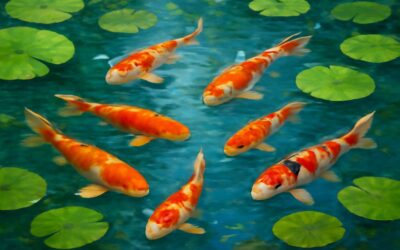
Across South Africa, a well-tended koi fish or pond becomes a living sculpture, a splash of color that brightens a garden and steadies the mind. I’ve watched sunlight trace gilded paths along the water while the filtration hum forms a whispering rhythm. Homeowners report a 25% uptick in year-round pond enjoyment, and the koi respond with glimmers of flame and ice.
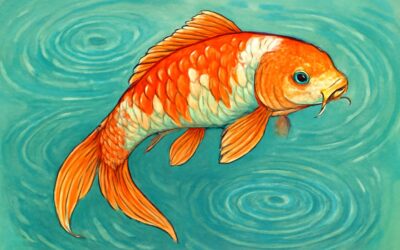
Popular koi varieties and their colors unfold like a painter’s palette. Here are a few favorites, each with its own ornamental appeal:
- Kohaku — white body with bold red markings
- Taisho Sanke — tri-color of white, red, and black
- Showa Sanshoku — black base with red and white accents
- Ogon — metallic gold or platinum sheen
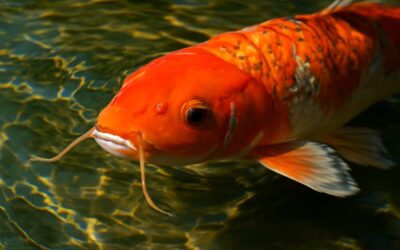
From the shimmer of a single koi to the choreography of a balanced pond, color deepens with light. Subtle scales and hue transitions become living art that feels magical in South Africa’s sun-drenched evenings, inviting quiet awe and a touch of whimsy in every glance, koi fish or pond.
Understanding koi size expectations and growth
In South Africa, a koi fish or pond is not just water—it’s a living sculpture that catches sunlight and shadows with every ripple. The garden’s air feels more luminous when color and calm share the stage, and the moment you step outside, color seems to breathe!
Size and growth follow a quiet arithmetic. In ideal conditions, a koi can add several inches each year; many reach 18–24 inches within 2–3 years and can surpass 30 inches in a well-kept setting over a decade. Genetic line and pond environment set the ceiling.
Several factors shape growth:
- pond volume and available swimming room
- water temperature and oxygen levels
- nutrition and feeding rate
Selecting koi for a home pond based on temperament and compatibility
Here in sunny South Africa, the true charm of a koi fish or pond is not merely color—it’s temperament. A pond’s mood mirrors its residents, and selecting koi by personality can elevate the entire garden drama from pretty backdrop to polite social scene. Rather than chasing the brightest scale, discerning eyes look for balance, harmony, and the quiet swagger of confidence that refuses to be crowded by neighbors or peppered with pecking order.
- Calm and tolerant, thriving with a diverse crew
- Bold and curious, best with like-minded companions
- Shy or retiring, needing patient introductions
These temperament cues, observed over gentle seasons, inform selection for a home pond where comfort and compatibility shape a serene, elegant chorus.
Koi patterns and genetics explained
In our sun-kissed South African water gardens, the koi fish or pond becomes a living tapestry. Between the shimmer of white, the warmth of red, and the whisper of black, patterns age like fine wine—25 to 35 years of quiet drama in one garden. I watch how each scale catches light, turning the pond into a moving legend of color.
Ornamental appeal hinges on balance and genetics. Pigment genes govern red, white, and black, while pattern genes choreograph placement and bloom. The result is a visual sonnet—the koi gliding with calm blaze, a living mural that delights without shouting.
- Kohaku: white base with red Hi patches
- Sanke: tri-color white, red, and black with white framing
- Showa: black base with red and white, bold contrast
- Ogons: solid metallic gold, platinum, or blue-silver gleam
Where to buy healthy koi and how to assess quality
In South Africa’s sun-warmed water gardens, a koi fish or pond becomes a living tapestry, a slow ballet across glassy ripples. The grace lies in how color and calm entwine, turning surfaces into whispered legends.
Ornamental appeal rests on balance—crimson warmth, white luminescence, black velvet depth—and the way each scale catches light, turning a simple glide into a moving mural that holds a garden in quiet awe.
Seek trusted breeders, established pond centers, and koi clubs that champion welfare in every shipment.
- Vibrant, even coloration with no fading
- Clear eyes and intact fins with no ulcers
- Firm, smooth scales and clean skin
- Calm, purposeful movement without rapid darting
A well-chosen koi becomes a living melody, weathering seasons with quiet resilience.
Designing and building a koi pond
Sizing and shaping your pond for koi
Across South Africa’s sunlit gardens, a well-crafted koi pond becomes a living lantern—lighting twilight and inviting quiet wonder. A designer once said, “The pond is a mirror for the garden,” and that truth still rings as koi drift in amber currents and reflect the savannah sky.
Designing and building begins with site, sun, and shelter. Sizing and shaping the koi fish or pond governs water volume, filtration needs, and how the ecosystem stabilizes across seasons.
- Sun exposure balances warmth with shade
- Robust filtration and aeration for clear water
- Appropriate depth and slopes for koi comfort
- Edging, planting pockets, and safety for curious wildlife
Every curve of the water, every stone, and every whisper of splash becomes part myth, part habitat—a place where water, light, and koi tell South Africa’s story.
Liner types and waterproofing options
Across South Africa’s sunlit gardens, a well-lined koi fish or pond isn’t just water—it’s a living sculpture. Recent maintenance checks reveal nearly 60% of new ponds leak in year one, underscoring waterproofing as design priority.
Liner options range from flexible EPDM rubber to rigid preformed shells, and even concrete with a modern sealant. For koi, depth and UV exposure matter; choose materials with good puncture resistance and easy patching to keep the water pristine across seasons.
- EPDM rubber: flexible, UV-stable, easy to patch
- PVC liners: economical, but less forgiving under UV and stretching
- Fibreglass/preformed shells: quick setup, durable, limited shapes
- Concrete with sealants: extremely durable, requires professional application
Pair the right liner with robust filtration and thoughtful edging, and your koi fish or pond becomes a durable centerpiece that ages gracefully with South Africa’s seasons.
Filtration and aeration systems for clarity and oxygenation
I’ve learned that “Water is life,” a master pond keeper says—and the right filtration keeps that life singing even in South Africa’s blazing summers. For koi fish or pond, clarity is a daily negotiation between water, air, and the living heart beneath the surface.
To design a robust filtration and aeration system, think in layers: mechanical, biological, and oxygenation.
- Skimmer and mechanical filter to capture surface debris
- Biofilter or moving bed to cultivate beneficial bacteria
- Reliable pump and appropriate flow rate for your pond size
- Aeration options such as air stones or venturi injectors
- UV sterilizer or clarifier to control algae without stressing koi
Seasonal winds and heat in South Africa demand resilience. A well-balanced system maintains steady turnover, preserves oxygen even on hot days, and keeps koi fish or pond water crystal clear. As you tune filtration settings, you’ll notice the quiet confidence that comes with a healthy koi environment.
Lighting, safety, and accessibility considerations
Lighting is the pulse of koi fish or pond; in South Africa, a well-lit water garden becomes a nightly stage, heightening mood and safety. I’ve learned that a careful mix of warm and neutral tones reveals the koi’s iridescent scales while guiding footsteps as the sun slides behind the savannah heat.
Safety and accessibility must ride the design like a quiet undertow: evaluate entry points, ensure even illumination along stairs, and choose non-slip surfaces that handle sudden drenchings from summer showers.
- Underwater LED strips with diffusers for even color and depth perception
- Solar bollard lights along pathways to aid night visibility
- Non-slip pavers and smart handrails at all steps and edges
A thoughtfully lit, accessible koi garden invites quiet wonder and easy maintenance through South Africa’s changing seasons.
Drainage, waterfalls, and circulation design
“Water is the blood of the garden,” an oath that haunts every koi fish or pond designer. In South Africa’s violet dusk, drainage must swallow storms, waterfalls must sing without shouting, and circulation keeps the koi safe, gliding through currents as if threading a living cathedral.
I favor a choreography of stone and flow: a gravity-fed drainage system, steady cascading outlets, and a quiet spiral of movement that lends depth to the surface and keeps the koi on the right side of night.
- Drainage harmony safeguards silt and clarity
- Even waterfall flow enhances depth perception
In the long South African seasons, this design reveals itself as a living lantern—calm, dangerous, and endlessly alive.
Water quality and filtration
Key water parameters and how to test them
An old keeper once whispered, “Healthy water is the true wealth of a koi paradise.” In a koi fish or pond, the heartbeat is dissolved oxygen and pH—the delicate equation that keeps colors vivid and fins joyful. The right balance translates into shimmer, not silence.
Consider these key water parameters:
- pH balance
- ammonia and nitrite levels
- nitrate concentration
- dissolved oxygen
- temperature and general hardness
Testing options span home kits and professional analyses, answering the call for clarity rather than guesswork. Regular monitoring, in a steady, patient cadence, keeps the water hospitable to koi and encourages graceful wave and color in every look.
Choosing and maintaining filtration types
Water is the quiet conductor of beauty in a koi fish or pond, and filtration acts as its metronome. When the system harmonizes mechanical debris capture, biological filtration, and optional UV clarity, colors stay vivid and fins stay buoyant.
- Mechanical filtration guards the stream of water by trapping solids and particulates.
- Biological filtration houses friendly bacteria that break down ammonia and nitrite into safer nitrate.
- Ultraviolet sterilization shines a light on suspended algae, supporting crystal clarity without harsh chemicals.
Beyond the hardware, consider layout and flow patterns that maximise turnover while preserving gentle movement for koi. Efficient filtration—paired with steady aeration—reduces stress and sustains a natural, shimmering environment.
Biological filtration and beneficial bacteria
Water quality is the silent conductor of koi fish or pond aesthetics. A punchy stat helps: roughly 70% of koi health issues trace back to water quality. Biological filtration hosts friendly bacteria that convert ammonia and nitrite into nitrate, keeping colors vibrant and fins buoyant. It’s not magic; it’s microbial teamwork keeping the pond harmony intact.
The real work happens on the microbial level:
- Biological filtration creates a nitrifying crew that processes waste safely.
- Beneficial bacteria form stable biofilms on media, moderating pH swings and reducing stress on koi.
- In a balanced system, natural clarity emerges without the heavy hand of chemicals.
Effortless oxygenation and serene water movement are the encore, letting koi flourish under South African skies.
Managing ammonia, nitrite, and nitrate episodes
Water quality remains the quiet architect of koi fish or pond aesthetics, shaping color, clarity, and the easy glide of fins under the South African sun. Ammonia and nitrite must stay low; nitrate finds a home in plant beds or biofilters, translating raw waste into a softer vocabulary that koi respond to with brighter hues and steadier buoyancy.
- Ammonia
- Nitrite
- Nitrate
Biological filtration hosts a thriving micro-crew that keeps the chemistry in balance, turning potential stress into harmony. In this dance, water quality becomes both science and poetry for koi keepers alike.
Water change schedules and dosing strategies
Water quality in a koi fish or pond is the quiet conductor of color and buoyant swagger under the South African sun. Keep the vibe steady, and your koi will glow with brighter tones and easier glides through the ripples.
Filtration serves as the unpaid maestro, hosting a micro-crew that translates waste into harmony. In the realm of water change schedules and dosing strategies, the aim is balance: predictable rhythms that respect biology and the koi’s tempo, while adapting to seasonal shifts and feeding loads.
- Principles of balance over urgency
- Observation over guesswork
- Seasonal tuning rather than fixed routines
- Rely on robust biofiltration and healthy microbes
With these ideas, a koi fish or pond communicates in color and calm, turning every ripple into a note in a larger aquatic melody.
Koi pond feeding, health, and disease prevention
Koi feeding routines and diet considerations
Koi fish health hinges on feeding discipline. In a koi pond, a steady routine reduces stress and supports immunity. A seasoned pond keeper says, “Consistency is medicine for the koi pond.” I’ve seen the difference in our South African climate, where small portions at peak activity keep digestion smooth on hot afternoons.
Choose a complete diet for koi fish with balanced protein and fiber. Feed what koi fish can eat in minutes, then remove leftovers to prevent waste. Avoid bread and offcuts; vary the diet with pellets, algae wafers, and occasional greens. Monitor appetite and body condition to spot trouble early.
- Observing appetite and natural grazing helps gauge health
- Diet variety supports digestive health and coloration
- Minimizing leftovers reduces waste and pond stress
With a steady rhythm, the pond remains vibrant and resilient, even through shifting seasons.
Observing koi health and early warning signs
In a koi fish or pond, a quiet appetite can signal a thriving immune system, especially as South Africa’s afternoons grow warm. I read each swim like a weather report—steady feeding, clear eyes, and calm movement that point toward resilience rather than trouble.
Observing appetite and natural grazing helps gauge health; early warning signs are subtle but telling.
- Lethargy or hiding at the margins
- Rapid breathing at the surface
- Loss of color intensity or blotchy patches
- Clamped fins or a pale, sunken abdomen
Disease prevention rises from daily rhythm rather than dramatic interventions. A balanced diet supports digestion and keeps the pond atmosphere gentle, while continued attention to behavior helps notice trouble early, so the koi stay vibrant through the changing seasons.
Common koi diseases and treatment approaches
In a koi fish or pond, feeding becomes a seasonal narrative that rises with the sun. A thoughtful, balanced diet supports digestion and immune vigor, especially as South Africa’s afternoons warm. A steady appetite, bright eyes, and relaxed swimming sketch resilience rather than trouble.
Common koi diseases and treatment approaches deserve calm, informed attention. For the koi fish or pond, the following ailments are frequently encountered:
- Ich (white spot disease) from Ichthyophthirius multifiliis
- Fungal infections with cottony growths
- Fin rot or bacterial ulcers at the tail and fins
- Parasitic infestations such as skin or gill flukes
Treatments emphasize veterinary guidance, gentle handling, and maintaining water quality rather than dramatic interventions.
Quarantine and introducing new koi safely
In a koi fish or pond, feeding becomes a seasonal ritual that rises with the sun. I’ve learned that a thoughtful, balanced diet supports digestion and immune vigor, especially as South Africa’s afternoons warm. A steady appetite, bright eyes, and relaxed swimming sketch resilience rather than trouble, turning daily observations into early warnings.
Quarantine and introducing new koi safely deserves calm, informed attention. Consider these guardrails:
- Keep newcomers in a separate space to observe them
- Match water temperature and chemistry with the main pond
- Look for stress or signs of illness and seek veterinary guidance
Beyond quarantine, health is a chorus of water clarity and gentle care. Avoid overcrowding, use water-testing as a habit, and feed to appetite rather than calendar—these practices help disease prevention stay subtle and effective.
Seasonal health checks and preventive care
Seasonal feeding is the sunlit heartbeat of a koi fish or pond—appetites rise with the morning and wane as the heat settles in. A thoughtful, balanced diet supports digestion and immune vigor, especially as South Africa’s afternoons warm. When eyes brighten and swimming relaxes, you’re reading resilience, not trouble.
Seasonal health checks and preventive care keep that rhythm harmonious. Tailor portions to appetite, vary proteins with the seasons, and introduce new foods gradually to minimize stress.
- Observe weekly appetite and activity
- Adjust portions to prevent waste
- Watch for subtle signs like color dulling or fin clamping
With calm, steady routines, your koi fish or pond stays buoyant through the seasons.
Seasonal care and pond maintenance
Spring startup: cycling the pond and testing water
Spring startup is the second heartbeat of your koi fish journey, and in South Africa’s capricious climate it’s when a water feature either hums or sighs. Cycling the system—letting beneficial bacteria rebuild as the water warms—becomes your quiet ally. I’ve learned that the season demands attention to the unseen: testing water, a quiet ritual that guards your koi fish from hidden dangers. A properly nudged cycle sets the stage for clearer water, steadier temperatures, and healthier koi that greet the warming days with confident swirls, protecting the pond from slow creep and risk.
During these early weeks, the pond breathes with fluctuating temperatures. Regular water tests map the season’s rhythm, marking the moments when you’ll see activity shift in feeding and koi behavior. In short, spring’s careful cycling and vigilant testing keep the system balanced, so the pond remains a sanctuary rather than a risk as life returns.
Summer care: managing heat and oxygen levels
South Africa’s summer blaze lifts the horizon and tests the quiet backbone of your pond. For koi fish or pond alike, heat tightens the margins where oxygen and movement meet, and I watch the surface shimmer as light becomes a measuring tape for life. The season invites patience, balance, and the poetry of still water under afternoon sun.
- Shade management and surface dynamics
- Aeration balance and water movement
- Feeding patterns aligned with diurnal warmth
As the days stretch longer, the pond becomes a theatre of resilience, and I savor the quiet vitality that keeps the water vibrant when the season peaks.
Autumn cleanup and debris management
Autumn drapes the water in cooler light here in South Africa, and the koi fish or pond reveals what summer wore away. A line from an old keeper lingers: “Autumn cleans the clockwork.” Debris shifts, and the surface remembers how to breathe. This is the season to choreograph balance, not merely sweep.
- Leaves and organic matter sinking to the bottom
- Overhanging branches shedding needles, seeds, and petals
- Pollen, wind-carried litter, and garden debris
- Dust and fine particulates stirred by autumn air
I watch the water quiet and the edges settle, a soft restoration in the amber light. Autumn cleanup becomes a quiet ritual that sustains the pond’s equilibrium as days shorten and clouds gather.
Winter considerations: insulation and fish safety
Winter in South Africa lulls the garden into a hush, but your koi fish or pond still needs a steward. Insulation isn’t glamorous, yet it stabilizes water temperature and cushions the fish against chilly nights, reducing stress and disease risk in the cold season.
Think of a microclimate: depth, shelter, and a calm surface all contribute to safer days and nights. The focus is gentle balance and quiet protection—the science of dissolved oxygen, stable warmth, and patient viewing as days shorten and stars drift in earlier.
Pond biodiversity and plant integration for balance
Seasonal care is the quiet rhythm that keeps a koi fish or pond thriving through South Africa’s shifting skies. “A pond is a living calendar,” I tell clients, and it reveals a new chapter with every season—lush in spring, serene in autumn, reflective in winter.
Rather than chasing glittering gear, biodiversity and plant integration steady the microclimate. Tall marginals provide shelter, floating species temper the surface, and submerged oxygenators quietly support clarity. The result is a calmer, healthier space that invites daily, patient viewing as heat and rain cycle through.
Seasonal balance also hinges on how plant life and the fish in your water garden interact, soaking up nutrients and producing oxygen.
- Water lilies for shade and elegance
- Marginal grasses to structure the edge
- Submerged oxygenators to boost dissolved oxygen
- Bog plants for nutrient uptake

0 Comments