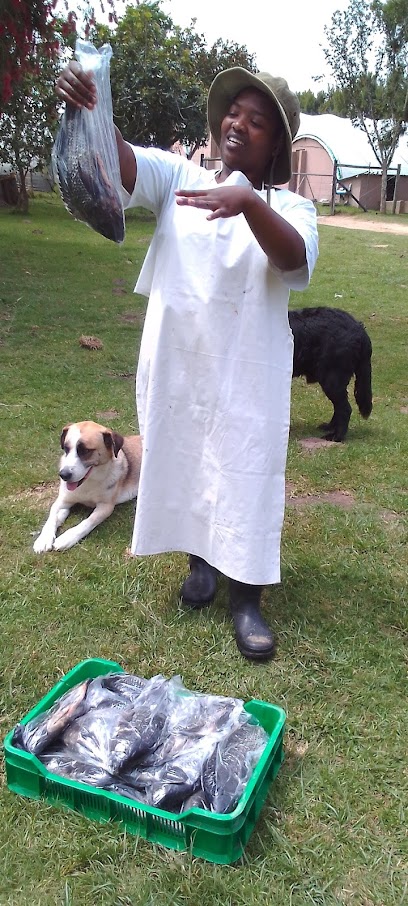
Lilac Holding Tilapia Fish Farms is a Fish farm establishment in Port Alfred, Eastern Cape, South Africa
Port Alfred
Eastern Cape
South Africa
Sorry, no records were found. Please adjust your search criteria and try again.
Sorry, unable to load the Maps API.
Fish Farm Services in Port Alfred, Eastern Cape
In Port Alfred and the surrounding Eastern Cape region, fish farm services cover a broad spectrum designed to support sustainable aquaculture operations. From the initial site assessment to the eventual harvesting and processing stages, practitioners offer practical solutions suited to coastal climates, variable rainfall, and the region’s water resources. The focus is on creating reliable production systems that balance productivity with environmental responsibility.
Core services commonly provided include site evaluation and design, where specialists assess physical conditions, water availability, soil characteristics, and potential drainage or flood risks. Following assessment, engineers and consultants can draft pond or raceway layouts, select suitable lining materials, and propose aeration and filtration solutions to maintain healthy water quality. The design emphasises easy maintenance, safe access for staff, and scalable options for seasonal demand fluctuations.
Stocking and husbandry are central to any fish farming operation. Service providers may assist with sourcing fingerlings or fry from reputable hatcheries and advise on appropriate species and stocking densities for local conditions. Guidance on feeding strategies, feed conversion efficiency, and routine observation practices helps farmers optimise growth while minimising waste. Regular site visits or remote monitoring support can aid in tracking temperature, dissolved oxygen, ammonia levels, and other indicators of pond health.
Water management stands at the heart of successful farming in Port Alfred. Services often encompass water testing, adjustments to aeration regimes, and filtration or recirculation system recommendations. In areas where brackish or mixed-water conditions prevail, specialists can advise on salinity management and freshwater supplementation to protect fish health. Biosecurity planning, disease prevention, and contingency measures are typically discussed to mitigate the risk of outbreaks.
Operational support extends to equipment selection and maintenance. Suppliers and service providers can recommend rated pumps, aerators, netting, and fencing to protect stock from predators and unauthorised access. Maintenance programmes, spare parts access, and routine servicing schedules help minimise downtime and extend the lifespan of crucial infrastructure.
Harvesting, handling, and processing help bridge production with markets. Consulting services may outline optimal harvest windows, humane handling practices, and post-harvest care to maintain product quality. Guidance on on-site processing facilities or partnerships with local processors can assist in achieving consistency and compliance with market standards. Documentation and traceability practices are often highlighted to support product integrity and regulatory expectations.
Practical considerations for fish farming in Port Alfred include understanding local climate patterns, seasonal rainfall, and water availability. Electricity reliability, access to skilled labour, and proximity to transport networks influence operational planning. Compliance with national and local regulations—ranging from licensing to environmental protection—remains a key factor, with professional input typically aiding in licence applications and ongoing reporting. Environmental stewardship, including waste management and protection of surrounding habitats, is increasingly integrated into service offerings.
Overall, customers can anticipate a pragmatic, end-to-end approach from fish farm service providers in Port Alfred. The emphasis is on building resilient systems that match local conditions, promote fish health, and align with responsible farming practices. For operators new to the sector, industry specialists can translate general best practices into actionable plans tailored to the specific site, budget, and production goals.