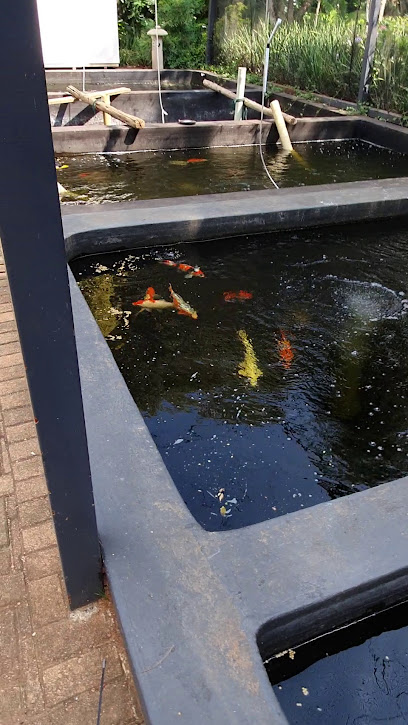
Dragon Koi Farms is a Fish farm establishment in Rynfield, Gauteng, South Africa
Rynfield
Gauteng
South Africa
Sorry, no records were found. Please adjust your search criteria and try again.
Sorry, unable to load the Maps API.
Fish Farm Services in Rynfield, Gauteng
In the growing agricultural and aquaculture sector of Gauteng, fish farming services in Rynfield offer a range of practical solutions for producers seeking to optimise pond management, stock health, and yield. The area combines urban access with rural production infrastructure, supporting businesses that may operate on small, family‑owned plots or larger, regulated enterprises. Customers seeking fish farming services typically look for expertise in water management, stocking plans, disease prevention, and efficient feeding strategies that align with local climate and regulations.
Core service areas commonly encountered include water quality assessment and treatment, pond construction and renovation, and ongoing maintenance programmes. Specialists may conduct initial site visits to evaluate depth, soil permeability, drainage, and availability of reliable electricity and water supplies. From there, an appropriate system design can be proposed, whether that involves earthen ponds, lined basins, or recirculating systems adapted to the conditions in and around Rynfield. The emphasis is on stability, ease of management, and the ability to sustain healthy fish populations year after year.
Stock management forms a central pillar of service provision. Aquaculture professionals assist with selecting suitable species for the local market, determining stocking densities, and establishing rotation or harvesting plans. They can help implement monitoring routines to track growth rates, feed conversion, and water parameters. Where necessary, availing of broodstock or fingerlings through reputable suppliers may be advised, subject to local regulations and biosecurity practices. The aim is to optimise growth while minimising stress and disease risk for the fish.
Disease prevention and health management feature prominently in the service mix. Practitioners typically offer guidance on biosecurity measures, routine health checks, and safe handling procedures. They may also provide recommendations for vaccination programmes or therapeutics under appropriate veterinary oversight, while emphasising early detection through regular observation and record‑keeping. Practical considerations include quarantine provisions for new stock, clean equipment, and properly sealed piping and filtration systems to reduce contamination risk.
Feeding programmes are another key element. Specialists can help establish feeding schedules tailored to species, age, and environmental conditions, taking into account local feed availability and cost. Efficient feeding strategies aim to minimise waste, improve feed conversion efficiency, and support steady growth. In addition, a careful approach to fertilisation, aeration, and temperature control can contribute to stable water quality, vital for optimal feeding and health outcomes.
Customers may also receive support around harvesting and processing logistics. Depending on the operation, services can include guidance on timing of harvests, post‑harvest handling, and basic storage considerations. This aligns with local market demands and regulatory requirements around product traceability, hygiene, and traceable packaging. For those pursuing small‑scale or hobby‑style ventures, advisory visits may focus on budgeting, seasonal planning, and compliance with local zoning and environmental rules.
- Site assessment and pond design or renovation
- Water quality testing and treatment recommendations
- Stocking, growth monitoring, and harvest planning
- Disease prevention, vaccination guidance, and biosecurity advice
- Feed management and nutrition planning
- Health checks, record‑keeping, and basic processing guidance
Operational realities in Rynfield include variable access to utilities, the need for reliable fencing and security, and consideration of nearby water sources and environmental sensitivities. Prospective clients can expect consultative, non‑biased guidance that focuses on practical, sustainable practices, aligned with local conditions and capacities. The goal is to enable consistent production outcomes while budgeting for feed, energy, and maintenance needs. Ultimately, fish farming services in this Gauteng locale aim to support responsible, efficient aquaculture that respects the surrounding landscape and market demands.