Koi Edibility and Food Safety Overview
What is koi fish and its historical use in cuisine
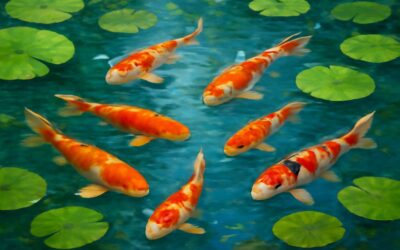
In South Africa, koi ponds adorn many courtyards, yet many ask: is koi fish safe to eat? The question sits at the intersection of aesthetics and appetite.
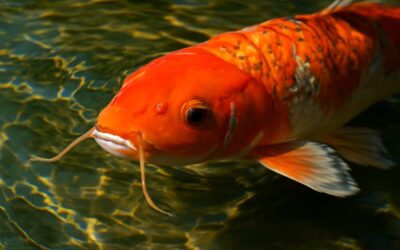
Koi are ornamental varieties of the common carp, bred for color and scale patterns rather than flavor. Historically, carp have fed communities across East Asia and Europe during lean seasons; koi, with their bright fins, arose as decorative ambassadors rather than daily staples.
Food safety overview: While koi is technically edible, pond origin raises concerns about water quality and contaminants.
- Source and care standards
- Parasites and bacteria
- Regulatory stance in SA
In South Africa, sourcing from food-grade channels and ensuring proper handling matters; safety hinges on origin and processing.
Basic safety concerns and regulatory notes
South Africa’s courtyards glitter with koi ponds, yet the question lingers: is koi fish safe to eat given their ornamental origin? Koi are ornamental carp, prized for hue and pattern rather than flavor, so their culinary appeal is a curio more than a staple.
Technically edible, but pond origin raises flags about water quality, chemical exposure, and the potential for parasites and bacteria. Sourcing matters, as edible koi hinges on origin, handling, and processing, not fantasy or romance of the pond.
- Source and care standards
- Parasites and bacteria
- Regulatory stance in SA
Regulatory stance in SA emphasizes food-grade channels, traceability, and professional processing rather than backyard theatrics.
Bottom line on edible koi considerations
Across South Africa, ornamental ponds glitter in backyards, and koi often spark more awe than appetite. The question—”is koi fish safe to eat”—lingers in kitchen conversations, not in glossy brochures. The answer is technically yes, but the real story is about origin, care, and handling more than hue and pattern.
Bottom line: edible koi hinges on where, how, and who processed it. Pond origin raises flags about water quality, chemical exposure, and the risk of parasites and bacteria. Sourcing matters—the plate should reflect a traceable supply chain, not a pond-side romance.
- Source and care standards: choose koi from reputable, regulated channels and insist on documented care history.
- Parasites and bacteria: even clean-looking fish can shelter unseen threats; proper handling and cooking are essential.
- Regulatory stance in SA: emphasis on food-grade processing, traceability, and professional facilities over backyard theatrics.
Nutritional Profile and Culinary Potential
Nutritional value per serving
A single 100 g serving can fuel a busy day with around 22 g of protein. In South Africa’s vibrant seafood scene, koi flesh reveals a surprising nutritional profile: 2–4 g of heart-healthy fats and about 100–120 calories, plus B vitamins and minerals like selenium and phosphorus. This balance supports steady energy and muscle maintenance. “is koi fish safe to eat” is a common question—sourcing and handling make all the difference.
- Lean protein fueling everyday activity
- Omega-3s and heart-healthy fats
- Essential minerals and B vitamins for metabolism
On the culinary front, koi’s delicate flavor and firm texture shine in poached, steamed, or light grilled preparations. Pair with bright herbs and citrus to let its natural sweetness surface, creating a versatile option for balanced South African menus.
Protein and fat composition
In kitchens across South Africa, koi offers a lean protein option that fits busy lives and evolving menus. A 100 g portion provides around 22 g protein, 2–4 g fats, and about 100–120 calories, with minerals and B vitamins that support energy and recovery.
For many readers, is koi fish safe to eat remains a central question in the SA dining scene.
- Lean protein fueling daily activity
- Omega-3s and heart-healthy fats
- Essential minerals and B vitamins for metabolism
On the plate, koi’s culinary potential shines: a delicate, firm texture that shines in poached, steamed, or light grilled preparations. Pair with bright herbs and citrus to reveal its natural sweetness, making it a versatile partner for balanced South African menus.
Flavor profile and culinary applications
From a nutritional standpoint, koi offers a lean, protein option that fits South African kitchens and evolving menus. Its fat content and minerals support energy and recovery, while B vitamins bolster metabolism. So, is koi fish safe to eat? When sourced responsibly and handled correctly, yes—it’s a viable choice for home cooks and chefs alike.
Flavor-wise, koi delivers a clean, slightly sweet bite with a firm, springy texture that holds up to gentle cooking. In the kitchen, its versatility shines in light preparations that respect its delicate spine, pairing well with bright herbs, citrus, and a pinch of salt to reveal its natural sweetness.
- Poached koi with lemon and dill
- Steamed koi with ginger and scallion
- Lightly grilled koi with citrus
- In salads or chilled starters that celebrate freshness
In South African dining rooms—from coastal markets to urban bistros—koi can become a refined centerpiece that honours seasonality and resourcefulness.
Texture and cooking behavior
Lean protein with a clean finish has quietly become a staple in South African kitchens chasing nutrition and novelty. When considering is koi fish safe to eat, the answer rests on sourcing and handling, turning koi from curiosity into a credible ingredient.
Nutritional profile: koi offers high-quality protein with minimal saturated fat, supporting daily energy. It brings minerals—selenium and phosphorus—and B vitamins that aid metabolism and nerve function. In practical terms, koi helps balance menus without tipping toward heavy fats.
Texture and cooking behavior: koi is firm and springy, forgiving gentle heat and short cooks.
- Poached koi with lemon and dill
- Steamed koi with ginger
- Lightly grilled koi with citrus
In SA dining rooms—from coastal markets to urban bistros—koi can shimmer as a refined centerpiece that respects seasonality and resourcefulness, proving that safe, sustainable fish can be both ethical and delicious.
Tips for pairing and menu ideas
In the quiet theatre of the market, a ledger glints with possibility. When you ask is koi fish safe to eat, the answer is a matter of provenance and care, not superstition.
Nutritional profile: koi offers high-quality protein with minimal saturated fat, a lean companion for daily energy. It carries selenium, phosphorus, and B vitamins that help metabolism and nerve function.
- Poached koi with lemon and dill
- Steamed koi with ginger
- Lightly grilled koi with citrus
In SA dining rooms—from coastal markets to urban bistros—koi can shimmer as a refined centerpiece that respects seasonality and resourcefulness, proving that safe, sustainable fish can be both ethical and delicious.
Comparison with other seafood options
Balancing nourishment and provenance, the Nutritional Profile for koi positions it as a lean, high-quality protein with minimal saturated fat. It offers selenium, phosphorus, and B vitamins that support metabolism and nerve function. is koi fish safe to eat? When raised and handled with care, the fish delivers reliable micronutrients for daily energy!
- Lean protein with low saturated fat
- Selenium and B vitamins for metabolism
- Phosphorus supports bone and system function
Compared with salmon, tuna, or cod, koi tends to be leaner than fatty species while offering an approachable flavour that takes well to citrus, dill, and ginger. In South Africa’s markets and kitchens, it sits beside whitefish in versatility, providing reliable protein without heavy oils and inviting poised techniques such as poaching or light grilling.
Health Risks and Food Safety Considerations
Parasites, bacteria, and cross-contamination risks
Across SA kitchens, the question lingers with weight: is koi fish safe to eat? A crisp bite promises tradition, yet safety is not negotiable. The watchwords are parasites, bacteria, and cross-contact in crowded homes and bustling restaurants. As one chef warned, “Flavor is shadowed by vigilance—especially when a fish travels from pond to plate.”
Parasites can hide in freshwater fish, with nematodes and flatworms among the threats. Bacteria may flourish if fish are mishandled or left at warm temperatures, producing off-flavors and illness in vulnerable people. Cross-contamination—shared boards, knives, and utensils—turns a simple dish into a risk vector.
- Trustworthy sourcing and health inspections
- Separate preparation surfaces for raw and other foods
- Awareness of parasite and bacterial risks in koi
Ultimately, it comes down to context and trust in South African kitchens where tradition meets cautious practice.
Heavy metals and environmental toxins
In South African markets and kitchens, the question is is koi fish safe to eat, a chorus that travels from pond to plate with growing resonance. The allure of its history and delicate texture is tempered by a vigilance as old as the rivers that inspired it.
Heavy metals and environmental toxins can accumulate in freshwater fish, and koi are no exception. Mercury, lead, and cadmium can linger in tissues, while industrial runoff and contaminated feed introduce persistent chemicals and PCB-like toxins. Even pristine-sounding ponds may harbor toxins that complicate judgment about a dish that carries memory as much as flavor.
- Mercury, Lead, Cadmium
- PCB-like toxins from polluted waters
- Industrial contaminants in pond systems
Context and source credibility shape decisions in SA kitchens, where provenance and inspections matter more than appetite alone.
Allergies and sensitivities
Safety isn’t a garnish—it’s the main course in South African kitchens where pond-raised proteins share the table with tradition and memory. As one veteran chef puts it, “Safety is the seasoning that never goes off the shelf.”
So, is koi fish safe to eat? Allergies and sensitivities can transform a simple bite into a reaction for some diners, even with careful sourcing. In SA, provenance, handling, and cross-contact become part of the dinner’s narrative, shaping decisions beyond flavor alone.
- Allergic individuals may experience reactions; consult healthcare guidance if unsure.
- Regulatory oversight and inspections influence how koi is presented in markets and kitchens.
Storage, thawing, and shelf-life guidelines
In SA kitchens, a leaky fridge is as costly as a memory you’d rather forget—and safety breaches cost more than just a dodgy vibe. The question remains: is koi fish safe to eat? Safety isn’t a garnish here; it’s the main course from farm to fork, especially when provenance and handling sit at the table with tradition.
Health risks hinge on the integrity of the cold chain and cross-contact in busy markets. With thoughtful storage, careful thawing, and sensible shelf-life expectations, the odds of an unpleasant surprise stay in check. Regulatory oversight and strong inspections in South Africa help nudge kitchens toward safer, more confident service.
- Keep koi away from warmth and wrap it tightly to protect the cold chain and curb cross-contact.
- Thaw gradually in a cool environment; if you must, keep the fish contained to minimize contamination.
- Be mindful of shelf-life and rely on market advisories and guidelines from regulators for safer planning.
Safe cooking temperatures and methods
Health risks hinge on the cold chain and cross-contact in busy markets, where lapses can turn a calm fish into a hazard. For is koi fish safe to eat, provenance and proper handling from harvest to plate matter more than any garnish.
Safe cooking methods rely on heat that penetrates the flesh evenly, reducing bacterial load and neutralizing parasites. Keep utensils and boards dedicated to fish, avoid cross-contact, and favour cooking approaches that render the flesh firm and opaque.
Regulatory oversight in South Africa guides suppliers and kitchens toward safer practice; use market advisories and regulator guidelines for safe planning.
Spoilage indicators and discard guidelines
In kitchens and markets across South Africa, the question is often practical: is koi fish safe to eat? The answer rests less on garnish and more on provenance, the integrity of the cold chain, and careful handling from harvest to plate. Freshness begins with who caught it and how it’s kept.
Health risks hinge on time-temperature abuse and cross-contact in busy kitchens. Spoilage indicators guide discard:
- Strong sour or ammonia-like odor
- Slimy feel or sticky coating
- Discoloration or dull, gray-brown flesh
- Watery, mushy texture or unexpected gas bubbles
Discard if any sign appears; when in doubt, err on the side of caution. In South Africa, regulatory advisories and reputable suppliers guide safe planning, reinforcing the cold chain and proper storage to protect both diners and farmers.
Legal, Ethical, and Environmental Aspects
Regional regulations and legal status
Regional regulations shape what can be sold, eaten, or kept in a koi pond. In South Africa, koi remain primarily ornamental; their legal status is tied to animal health, consumer protection, and trade laws rather than culinary standards. The question ‘is koi fish safe to eat’ touches licensing, labeling, and cross-border movement, as authorities weigh disease controls, transport rules, and public health obligations. Compliance isn’t optional; it protects both producers and consumers.
- Regional authority permits and animal health certificates
- Import/export controls and invasive-species risk
- Ethical sourcing and environmental stewardship
Ethical and environmental frameworks emphasize sustainable sourcing and responsible handling, ensuring that cultural and economic values are preserved while safeguarding ecosystems.
Farmed vs wild koi: considerations
In South Africa, koi are cherished as living art rather than a culinary staple. The legal status hinges on animal health, consumer protection, and trade rules rather than taste. Farmed koi grow in monitored ponds; wild populations are not a common source. When the question arises about culinary use, is koi fish safe to eat, the answer sits squarely in regulation, transport, and public-health oversight rather than recipes.
- Regional licensing and animal health certificates
- Ethical sourcing and transparency in breeding
- Environmental stewardship and disease-prevention protocols
Ethical and environmental considerations steer growers toward sustainable practices that protect ecosystems while meeting consumer expectations. The farmed-versus-wild debate informs decisions about sourcing, handling, and verification that align with South Africa’s standards and the broader global context.
Sustainable sourcing and ethical guidelines
Across South Africa, koi are cherished as living art, not pantry staples. When asked is koi fish safe to eat, the answer rests in rules, transport oversight, and public-health guardianship rather than culinary rumor. Legal status hinges on animal health certificates and regional licensing, shaping who can move koi from pond to plate—and under what conditions.
- Regional licensing and animal health certificates
- Ethical sourcing and transparency in breeding
- Environmental stewardship and disease-prevention protocols
Ethical sourcing and environmental stewardship guide growers toward sustainable practice, ensuring traceability from hatchery to pond and beyond. In the SA context—and in global markets—transparency protects ecosystems and diners alike, reminding us that sustainable sourcing is as essential as safety standards. Ultimately, the question “is koi fish safe to eat” is answered by transparent sourcing and environmental stewardship.
Animal welfare considerations
Across South Africa, koi are cherished as living art, not pantry staples. The legal and ethical frame around koi welfare hinges on licensing, animal health oversight, and humane transport from pond to plate. For many diners, is koi fish safe to eat is a question that dances between tradition and traceability.
Animal welfare considerations shape breeding, handling, and housing, ensuring resilience and dignity at every step.
- Respectful capture and transport with minimal handling
- Stress-minimising housing and clean water conditions
- Transparent records and welfare-certified practices
Environment and public health walk hand in hand: stringent disease-prevention protocols and biosecurity guard ecosystems and diners alike, reminding us that ethics extend beyond taste.
In this ecosystem, care becomes the first course.
Cultural attitudes toward koi consumption
Across South Africa, koi are celebrated as living art rather than pantry staples, a distinction that informs law, culture, and conscience. The question is often framed as: is koi fish safe to eat? Claims of tradition collide with traceability, guiding licensing, animal health oversight, and humane transport from pond to plate.
Cultural attitudes skew toward reverence for the species, turning culinary debate into a dialogue about care, provenance, and responsibility. When koi appear at the table, it is more a reflection of a modern ethic than a casual bite.
In this ecosystem, environmental safeguards—biosecurity protocols, disease surveillance, and transparent records—ensure public health travels hand in hand with animal welfare. Ethics season the conversation as surely as any spice, guiding choices with quiet dignity.
Impact on ecosystems and biodiversity
South Africa’s koi ponds glitter like living murals, and many households prize them as art rather than entrée. A veteran guardian of waterways once whispered, “Beauty should not barter with hunger.” In the eyes of law, koi move under licensing, traceability, and humane transport rules that protect both people and ponds. The question remains: is koi fish safe to eat.
- Legal compliance on licensing, transport, and sale ensures traceability and prevents illicit trade.
- Ethical regard for welfare and provenance guides consumer choice, not novelty.
- Environmental safeguards prevent escapees and protect biodiversity in local waterways.
Legal, ethical, and environmental threads weave a tapestry of stewardship. When koi are kept and moved with care, disease controls, waste management, and habitat compatibility guard ecosystems and biodiversity alike. The outcome is a landscape where ornamental beauty and ecological health coexist, inviting ongoing wonder rather than reckless appetite.
Practical Guidance for Safe Handling and Preparation
Choosing koi meat from reputable sources
In the world of fine dining, provenance is a luxury and a duty. When you wonder is koi fish safe to eat, the answer rests on traceable origins and careful handling rather than myth or nostalgia.
Choose koi meat from reputable farms and suppliers, where health certifications mingle with transparent records. Practical Guidance for Safe Handling and Preparation becomes meaningful only when source integrity is proven, especially for South African kitchens that value both taste and trust.
- Traceable supply chains from farm to fork
- Visible health and safety documentation
- Compliance with local food safety standards
With a calm palate, koi can become a rare, shimmering thread in a broader seafood repertoire, offered to guests who crave safety as much as flavor!
Handling, storage, and hygiene best practices
In South Africa’s most discerning kitchens, provenance is a quiet luxury. The question is is koi fish safe to eat, and the answer rests on traceable origins and careful handling rather than myth or nostalgia. As one chef muses, “Origin on the plate is the real seasoning.”
Choose koi meat from reputable farms and suppliers, where health certifications mingle with transparent records. Practical Guidance for Safe Handling and Preparation becomes meaningful only when source integrity is proven, especially for kitchens that prize both flavor and trust.
- Traceable origins across the supply chain
- Clear health and hygiene documentation
- Alignment with local food safety standards
With a calm palate, koi can become a shimmering thread in a broader seafood repertoire, offered to guests who crave safety as much as flavor.
Cooking methods and safe internal temperatures
For many, is koi fish safe to eat? The answer rests on provenance and careful handling, not nostalgia. In South Africa’s most discerning kitchens, I start with the cold chain: koi on ice, clean surfaces, and strict separation to avoid cross-contamination. Temperature control matters—aim for a safe 63°C (145°F) internal temperature when cooked, and respect the delicate texture koi offers.
- Thaw slowly in refrigeration to preserve texture and moisture.
- Cook to a safe internal temperature of 63°C (145°F) and verify with a thermometer.
- Serve promptly and maintain hygiene to sustain flavor integrity.
With these practices, koi can join a refined seafood repertoire, delivering safety and a lucid, shimmering flavor on the plate.
Serving ideas and flavor enhancers
In South Africa’s kitchens, seafood mistakes often come down to cross-contamination, not flavor—nearly 9 in 10 incidents trace to sloppy prep. People ask is koi fish safe to eat, and the answer rests on provenance and disciplined technique. Start with clean tools, test freshness, and keep surfaces pristine to preserve delicate textures.
- Bright citrus and herb pairing to lift the koi’s delicate sweetness
- Minimal soy and sesame for a glaze that respects texture
- Fresh greens and a crisp, peppery relish for contrast
Serve promptly, present with clean lines, and the shimmering texture will speak for itself. A light drizzle of olive oil, lemon, or a delicate caper note can carry the dish without overpowering the fish.
Cross-contamination prevention strategies
In South Africa, seafood safety hinges on prep discipline. A kitchen truth: nearly 9 in 10 incidents trace to sloppy prep. “Cleanliness is non-negotiable in seafood prep,” says a veteran chef. People ask is koi fish safe to eat, and the answer rests on provenance and disciplined technique.
Cross-contamination prevention strategies that fit busy kitchens include:
- Workspace zoning, separating raw versus cooked seafood
- Dedicated utensils and boards for seafood to avoid cross-contact
- Prompt chilling and clean-surface protocols to preserve freshness
- Rigorous supplier verification and traceability for provenance
With clean lines on the plate and careful handling, koi’s delicate texture shines without distraction.
What to know if koi consumption isn’t permitted locally
Across South Africa’s kitchens, the question “is koi fish safe to eat” keeps popping up—especially when local rules bite. A striking 70% of professionals admit provenance and disciplined prep decide whether koi can grace the plate.
Practical guidance begins with permission. If koi consumption isn’t permitted locally, respect the law and pivot to species with clear approval. If allowed, source from suppliers who provide traceability, handling instructions, and kill-to-plate records. People still ask, is koi fish safe to eat, and the safe answer rests on provenance and disciplined technique.
- Consider current local regulations and obtain supplier documentation
- Prefer koi from reputable farms with traceability and kill-to-plate records
- Maintain a clearly delineated prep zone and minimize handling time
- Ensure transfer to consumers is documented with proper labeling


0 Comments